
A closely watched plan to build what was billed as the world’s first commercial octopus farm has been abandoned in Spain’s Canary Islands.
On July 23, 2026, Nueva Pescanova formally withdrew its application for an aquaculture concession at the Port of La Luz in Las Palmas de Gran Canaria, according to EFE. The port authority said it would archive the file, bringing the proposed facility to an end.
The decision does not amount to a worldwide ban on octopus farming. It is the withdrawal of one specific project, albeit the most prominent attempt to bring intensive octopus farming to commercial scale. No reason should be inferred beyond what the company and authorities have formally confirmed.
Why the project drew global attention
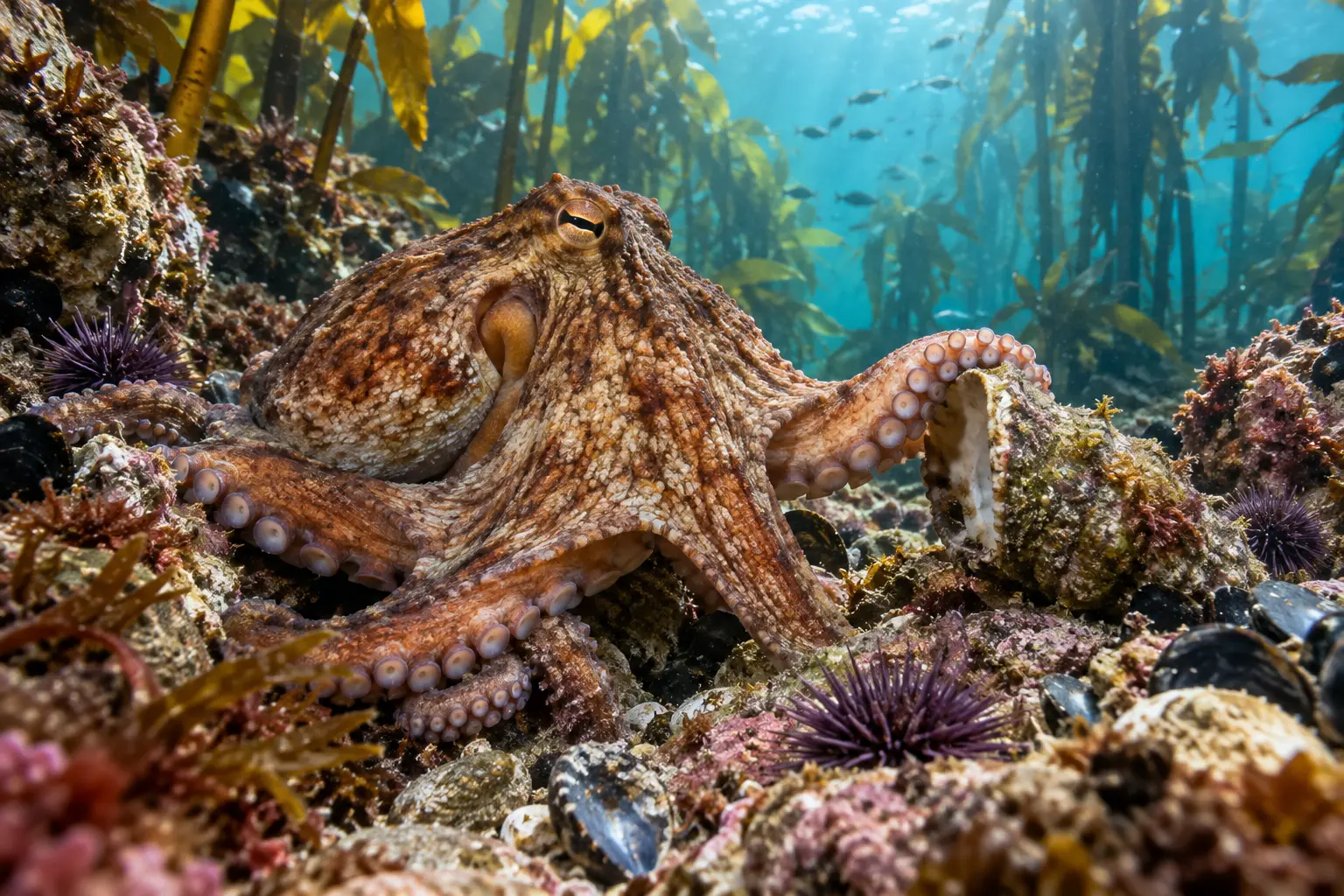
Octopuses are unlike the animals most commonly raised in aquaculture. They are active predators, can solve problems, open containers, navigate mazes and use shelters. Many species are naturally solitary, making confinement at high densities a particularly difficult welfare challenge.
A major scientific review commissioned by the London School of Economics examined more than 300 studies and found strong evidence that octopuses and other cephalopod molluscs are sentient. The review helped inform the United Kingdom’s decision to recognize cephalopods as sentient beings under the Animal Welfare (Sentience) Act.
Sentience does not by itself settle every policy question, but it changes the burden of proof. Any commercial system would need to demonstrate that it could provide suitable space, environmental complexity, water quality, opportunities for species-typical behavior and humane handling and slaughter. Researchers and animal-welfare groups have argued that those standards would be extremely difficult to meet in an intensive production system.
Environmental questions remain
Octopuses are carnivores. Raising them at industrial scale would therefore require a reliable feed supply rich in marine protein and nutrients. That raises questions about whether farming could reduce pressure on wild fisheries or simply shift demand toward fishmeal, fish oil and other feed ingredients.
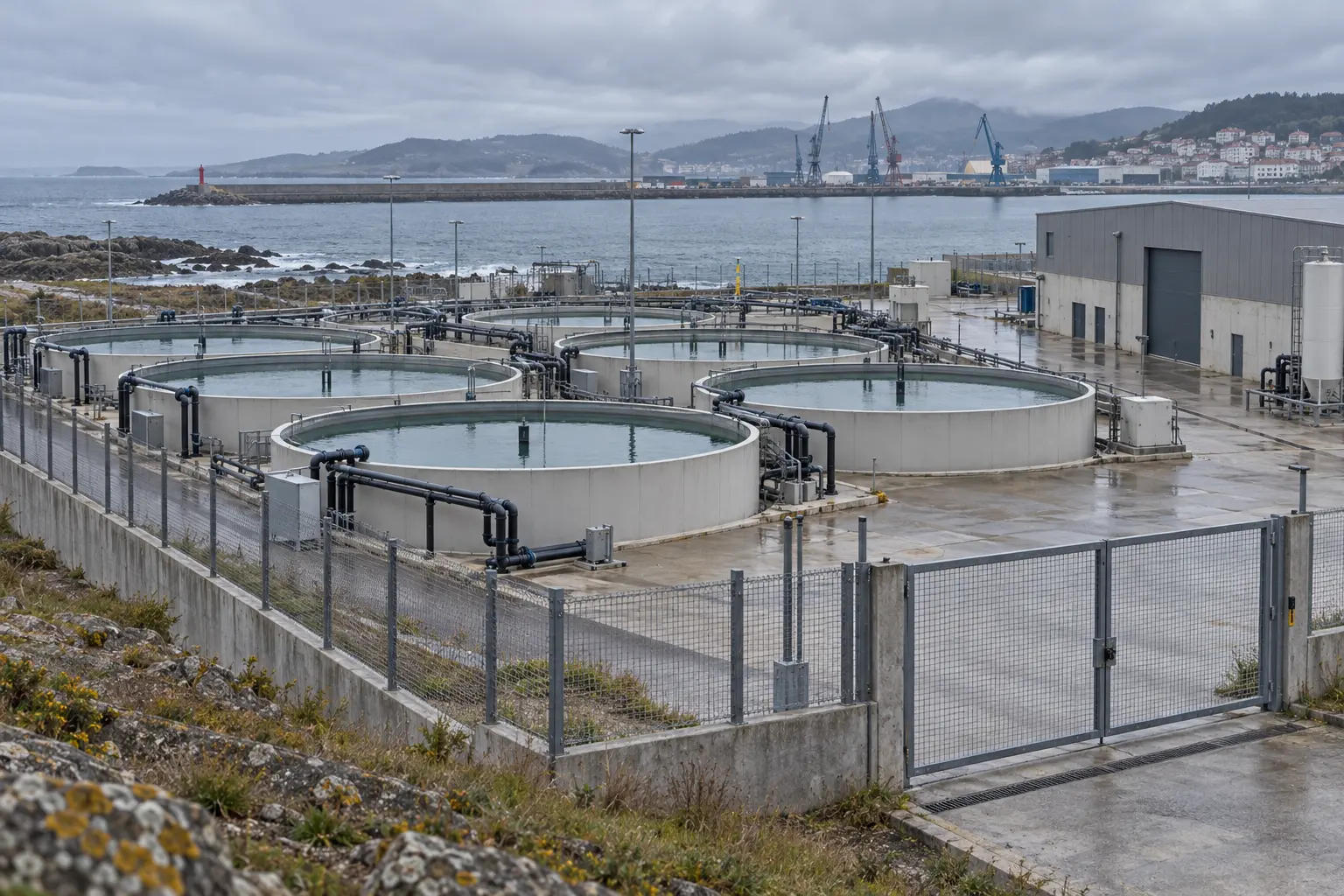
Large land-based aquaculture facilities also require water circulation, filtration, temperature control, energy and waste management. Whether such a system produces a net environmental benefit depends on its feed conversion, energy source, disease controls, water treatment and operating scale. Because commercial octopus farming has not become an established industry, many of those performance claims remain untested at full scale.
Some governments have already acted
The end of the Spanish project comes as a small number of jurisdictions have moved to stop octopus farming before it starts. Washington state enacted a prohibition in 2024. Its law makes it unlawful to commercially produce, cultivate, raise or harvest octopus in aquaculture, or to participate in the operation of an octopus aquaculture farm.
California followed with legislation signed in 2024 that prohibits octopus aquaculture and the sale of farmed octopus produced in the state. These are state-level measures in the United States, not a national or international prohibition.
The legal picture therefore remains fragmented. Wild-caught octopus is still sold and consumed in many countries, and most governments have not adopted specific rules on octopus farming. The Spanish withdrawal removes the best-known commercial proposal, but it does not prevent another company or jurisdiction from considering a different project in the future.
What the withdrawal means
For opponents, the decision eliminates an immediate risk that a highly intelligent invertebrate could be placed into a production model before credible welfare standards existed. It also gives regulators more time to consider whether conventional aquaculture rules are adequate for animals with such distinctive behavioral needs.
For the seafood industry, the collapse of the proposal underscores the scientific, regulatory and social barriers facing a new farming sector. Aquaculture can sometimes provide jobs and a more predictable supply of seafood, but profitability alone does not answer questions about animal welfare, feed inputs or environmental impact.
The most accurate conclusion is narrower than the slogan on the original campaign image: the proposed commercial octopus farm in Gran Canaria has been abandoned. The global debate over whether octopus farming should ever be allowed is still open.
Sources
- EFE: Nueva Pescanova withdraws the Gran Canaria project
- London School of Economics: review of cephalopod and decapod sentience
- UK Government: recognition of octopuses as sentient beings
- Washington State law prohibiting octopus aquaculture
