
Two people were killed and 11 others were injured when the 72nd Huamantlada turned deadly in Huamantla, Tlaxcala, on Saturday, August 22, 2026.
Organizers released 21 fighting bulls, each reportedly weighing more than 450 kilograms, into barricaded streets as participants ran inside the route and spectators watched from behind temporary barriers. The scale of the animals, the narrow course and the proximity of people created a setting in which a single fall or breach could have immediate consequences.
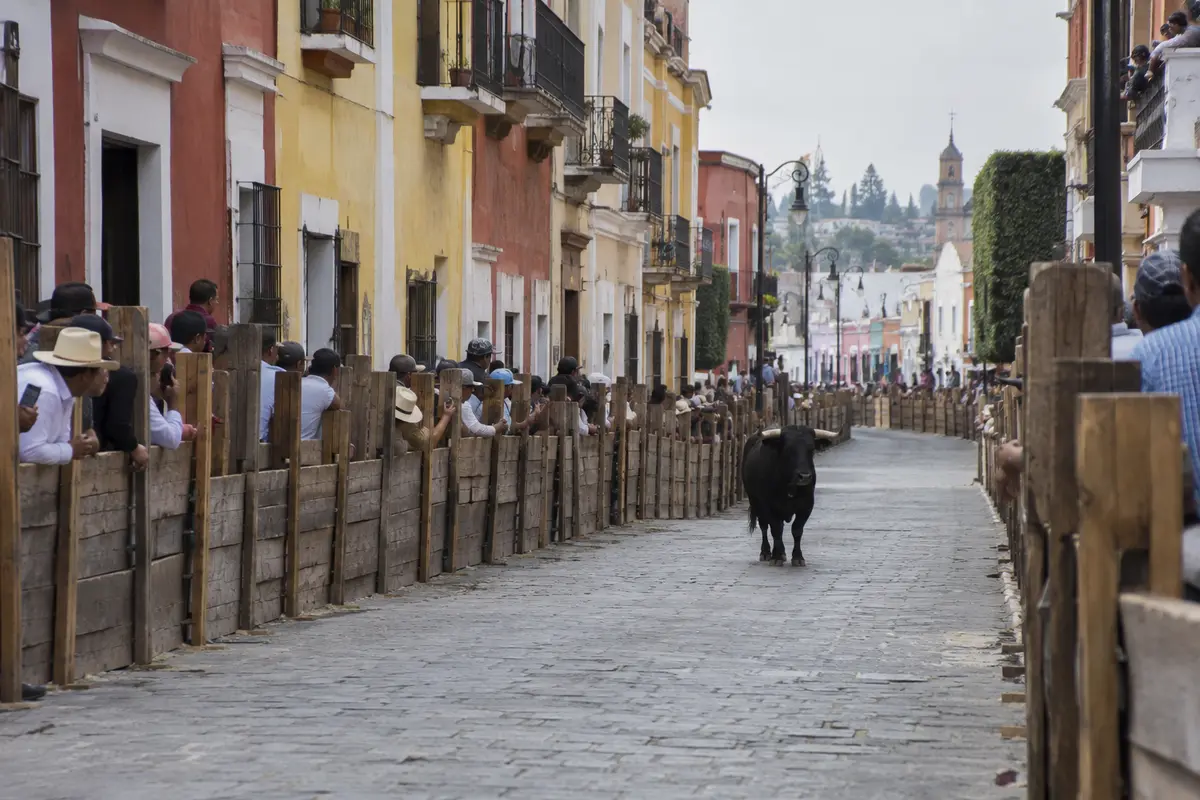
The deadliest Huamantlada in eight years
The two men who died were identified in news reports as Juan Manuel Filomeno Herrera, 29, and Luis Xolocotzi Ramírez, 57. Both suffered serious injuries during the event. Ramírez was transferred by air for hospital care but later died.
Of the 11 people reported injured, nine remained hospitalized when the first detailed accounts were published. A woman from the United States was among those receiving treatment. Emergency crews and hospitals across the area were mobilized as injuries began almost immediately after the event started.
Tlaxcala’s health secretary, Rigoberto Zamudio, described the 2026 edition as the most accident-prone Huamantlada in five years and said it was the first to record fatalities in eight years. Those figures underline a basic point: the danger is not an unexpected side effect of the spectacle. It is built into an event that places people within the path of large, frightened and unpredictable animals.
A long-running tradition faces renewed scrutiny
The Huamantlada dates to 1953 and was inspired by Spain’s running-of-the-bulls tradition. It has become closely associated with Huamantla’s annual fair and draws large crowds to the city. For supporters, it is part of local identity and a major public celebration.
But cultural longevity does not remove the responsibility to examine preventable harm. After two deaths in one afternoon, questions about crowd control, participant access, barrier design, emergency response and whether the event should continue in its current form are unavoidable.
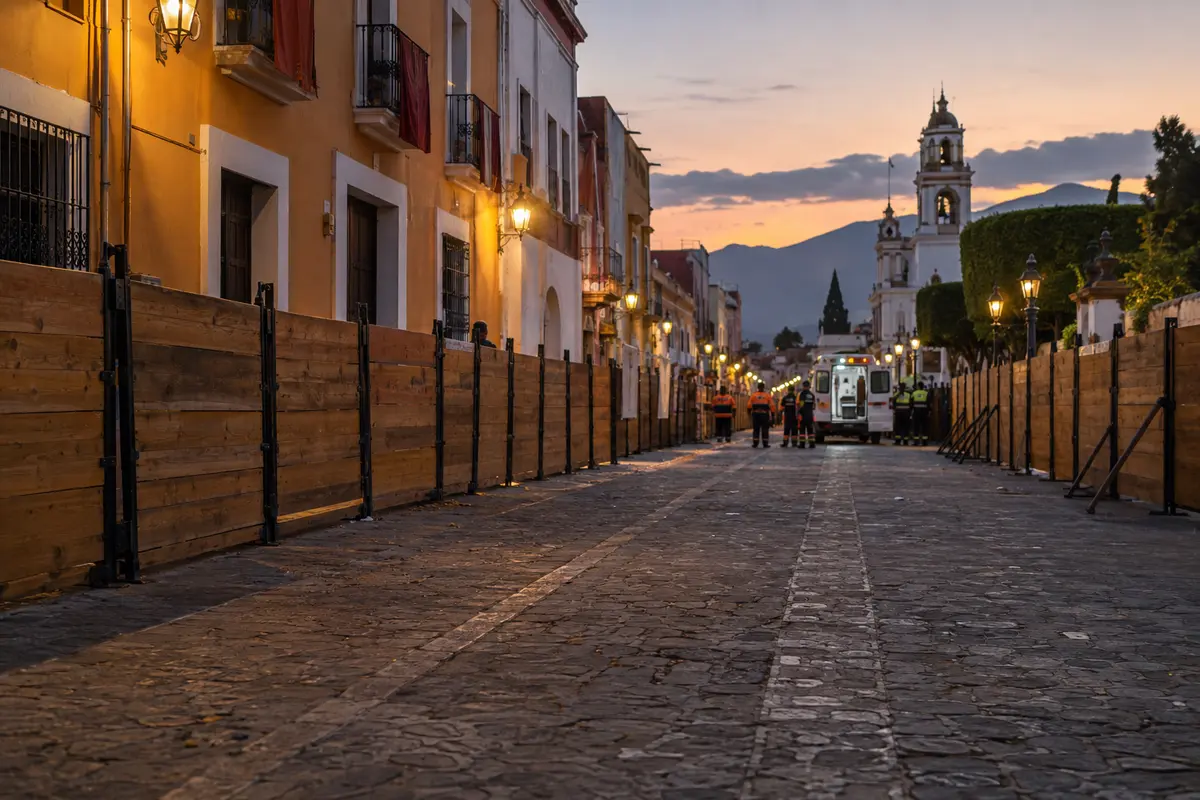
The animal-welfare question
The debate is also about the bulls. They are transported into an unfamiliar urban environment, surrounded by noise, movement and dense crowds, then released into confined streets. Even when reports do not document a specific injury to an animal, the format raises clear welfare concerns about fear, stress and the use of animals as instruments of public entertainment.
The available reporting on the 2026 Huamantlada did not confirm a bull death or injury during this edition, so claims beyond the documented human casualties would be premature. Still, the absence of a reported animal casualty does not settle the ethical question. It asks communities to weigh tradition against risks imposed on both people and animals that cannot consent to participate.
Huamantla now faces that choice with two families grieving and 11 other people injured. Any official review should be transparent about what failed, what safeguards can realistically achieve and whether changes short of ending the event can meaningfully reduce the danger.
Sources
- UOL: Festival de touros no México deixa dois mortos e 11 feridos
- Al Jazeera: Initial coverage of the 2026 Huamantlada
- New York Post: Two dead and 11 injured at Huamantlada
