
Calls for a worldwide ban on live animal exports are growing, but no global prohibition currently exists. Governments continue to take sharply different approaches to moving cattle, sheep and other animals across borders.
Supporters of the trade say it connects farmers with overseas markets and supplies breeding animals and food systems. Animal-welfare advocates argue that long journeys can expose animals to heat, exhaustion, injury, crowding and repeated handling.
Why live transport raises welfare concerns
Transport conditions vary by route, species and enforcement. Journeys may involve trucks, ports and ships, followed by additional travel after animals reach another country. Even when regulations require water, ventilation, rest and veterinary oversight, animals remain dependent on people and transport systems throughout the trip.
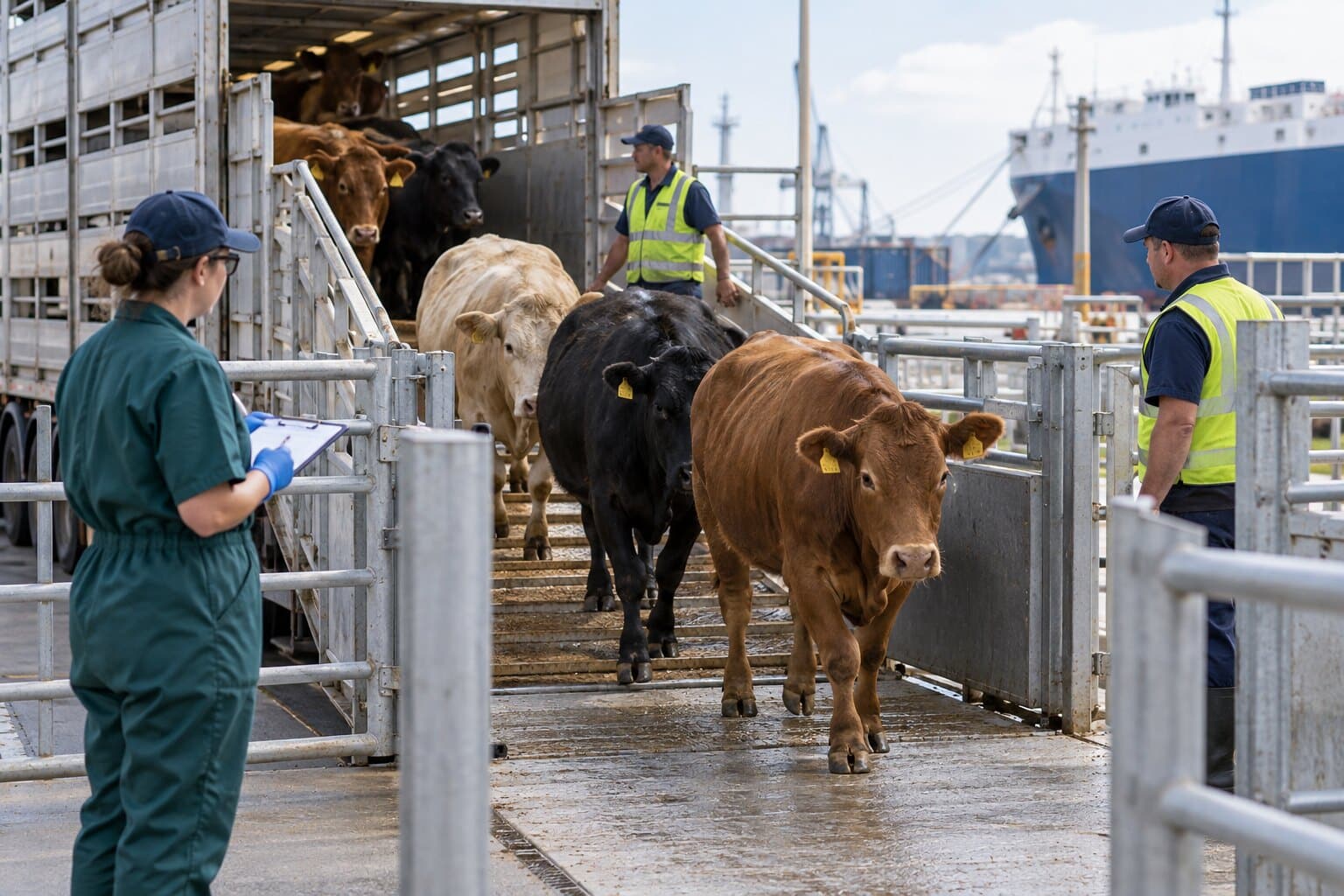
The debate is not simply between regulation and a worldwide ban. Some countries have prohibited particular kinds of live exports while leaving other movements legal. Others are phasing out only one part of the trade.
Great Britain has a targeted ban
Great Britain’s Animal Welfare (Livestock Exports) Act 2024 prohibits exporting cattle, horses, sheep, goats and pigs for slaughter or for fattening before slaughter. The prohibition took effect on July 22, 2024, in England, Scotland and Wales.
The law is narrower than a ban on every movement of living animals. It focuses on specified livestock exported for slaughter-related purposes. Other movements, including qualifying breeding exports, remain subject to separate health and welfare requirements.
Australia is ending one part of the trade
Australia has passed legislation to end live sheep exports by sea from May 1, 2028. The trade can continue during the transition period under existing export controls.
This policy does not amount to a ban on all Australian live-animal exports. It applies specifically to sheep exported by sea. The government is providing almost A$140 million to help producers, supply-chain businesses and communities adapt.
Could meat replace live-animal shipments?
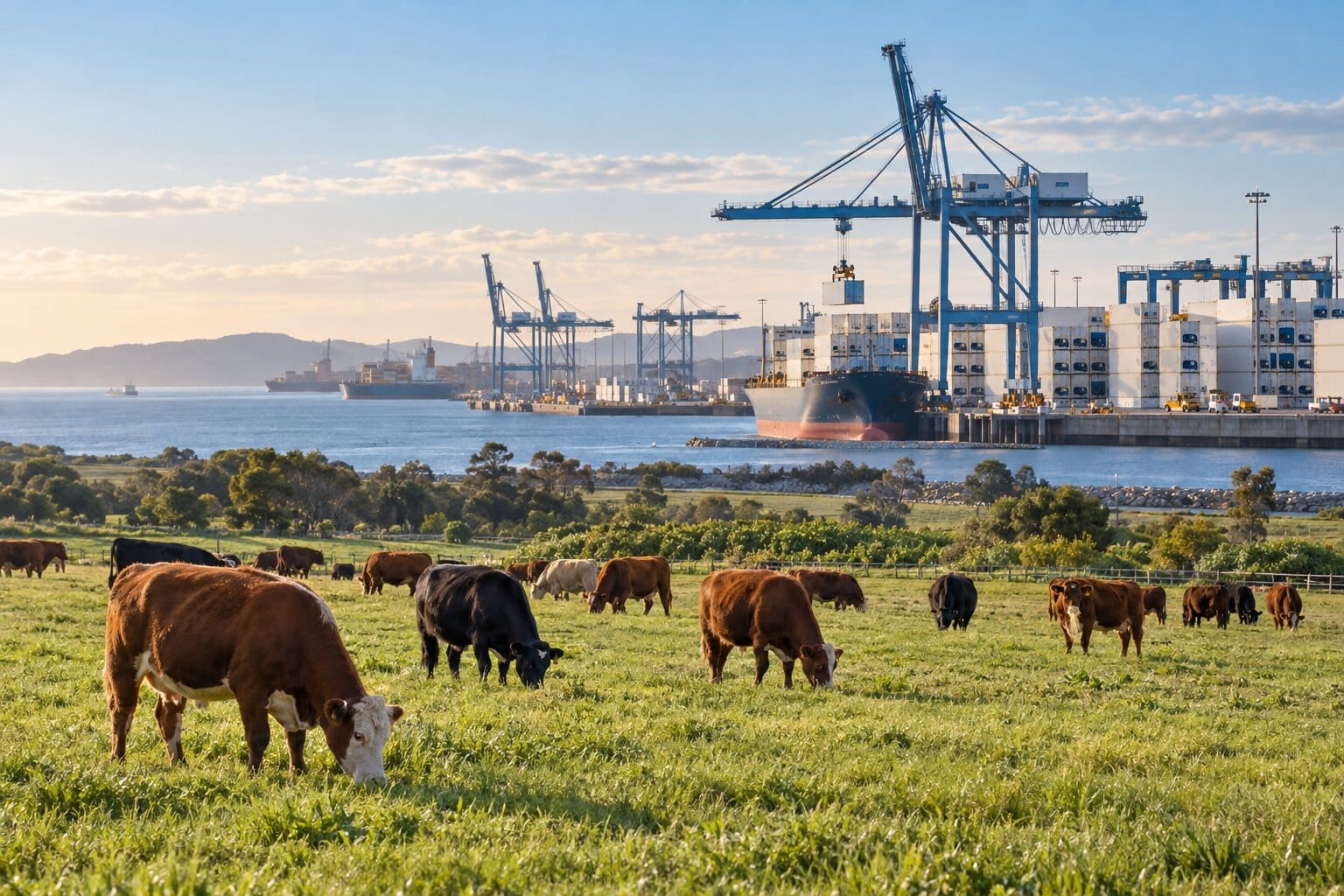
One alternative is to process animals closer to where they were raised and export refrigerated or frozen meat instead. Advocates say this can avoid long international journeys for living animals. Any transition, however, affects farmers, workers, processors and regional communities, so policy changes often include investment and adjustment support.
The European Union has pursued tighter transport rules rather than a blanket ban. The European Commission’s reform proposal includes stricter journey conditions, stronger controls on exports to non-EU countries and additional protections during extreme temperatures.
A global ban remains a policy question
A worldwide ban would require many governments to change national laws and trade arrangements. That has not happened. What is already clear is that several jurisdictions now recognize that some long-distance journeys create unacceptable welfare risks and are restricting or phasing out parts of the trade.
The central question is whether animals should be transported alive across long distances when food and agricultural value can sometimes be moved in other forms. Whatever policy governments choose, animal welfare should be treated as a core requirement rather than an afterthought.
Sources: UK legislation; Australian Department of Agriculture, Fisheries and Forestry; European Commission transport proposal.
