
Cheetahs are facing the threat of extinction, according to wildlife experts. The Zoological Society of London (ZSL) calls for the cheetah to be classified as endangered, alongside species like tigers and Asian elephants. Current estimates indicate that just over 7,000 cheetahs remain worldwide.
Capable of reaching speeds of up to 70 mph, these iconic big cats now inhabit only 9% of their historical range.
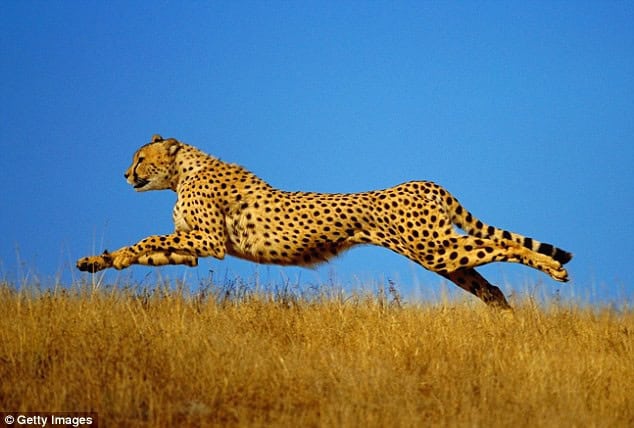
Their population decline is driven by illegal pet trade, overhunting for bushmeat, and habitat loss due to human expansion.
A recent study by ZSL, the Wildlife Conservation Society, and the conservation group Panthera reveals that Asian cheetahs have been hit the hardest, with fewer than 50 individuals remaining, primarily in a small area of Iran. There may also be some in isolated regions of the Indian subcontinent.
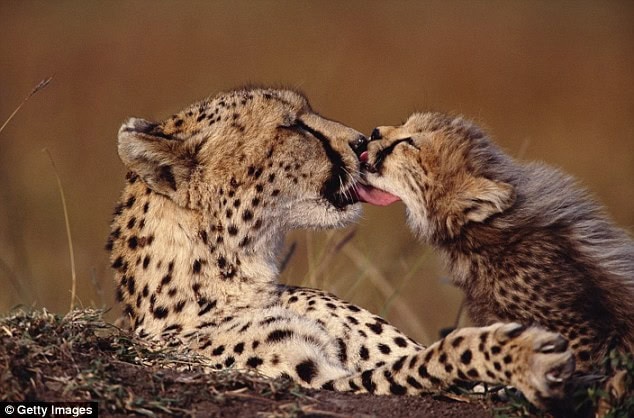
Over half of the global cheetah population lives across six southern African nations. One key challenge to their survival is the vast range they require—each cheetah typically needs up to 400 square miles of territory.
Unfortunately, many wildlife reserves are too small to support sustainable populations. Only about a third of all cheetahs live in protected areas.
Dr. Sarah Durant, lead author of the study, highlighted the difficulty of tracking cheetahs due to their elusive nature, resulting in their declining numbers being underestimated.
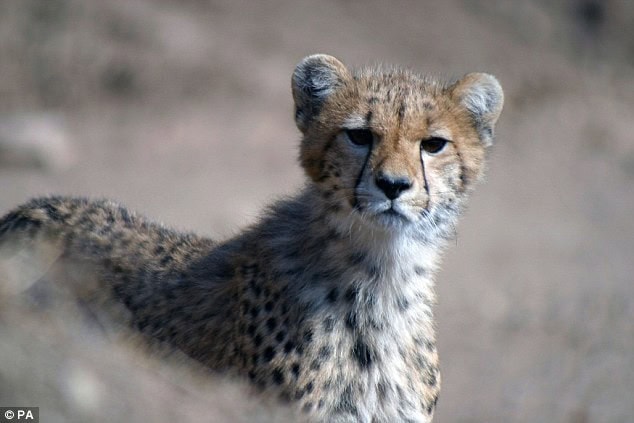
“Our findings show that the large space requirements for cheetahs, combined with the complex threats they face, make them more vulnerable to extinction than previously thought,” she said.
While global cheetah numbers are rough estimates, data from 18 known populations show that 14 are in decline.
The total number of cheetahs is believed to be around 7,100. The study, published in the Proceedings of the National Academy of Sciences, warns that without urgent conservation efforts, cheetahs could disappear forever.
The species is currently classified as vulnerable, with a decreasing population on the International Union for Conservation of Nature’s Red List of Threatened Species.
Dr. Kim Young-Overton, director of Panthera’s Cheetah Programme, emphasized the need for immediate action. “We must conserve across both protected and unprotected landscapes that these wide-ranging cats occupy to prevent their permanent loss.”
Read more Wildlife News.


