
A little less noise can mean a lot more peace for animals. In Massachusetts, that principle is an important side effect of one of the strictest consumer-fireworks regimes in the United States.
The rule is not a new, animal-specific ban, and it does not outlaw every fireworks display. Massachusetts law prohibits people from possessing, using, selling, or offering to sell fireworks without the professional licensing, certification, and permits required by state and local authorities. That includes consumer fireworks bought legally in another state.
What Massachusetts law actually does
Massachusetts General Laws Chapter 148, Section 39 sharply restricts the sale, possession, and use of fireworks. A separate section, 39A, creates a permit system for supervised displays. Those professional shows must be handled by an approved operator and authorized by the local fire department.
That distinction matters. Residents cannot simply light backyard fireworks, even if they purchased them legally elsewhere. Permitted municipal or other organized displays can still go ahead under professional supervision.
State officials present the policy mainly as a public-safety measure. The Massachusetts Department of Fire Services says the state’s per-capita fireworks injury rate is about one-fifth of the national average. In a 2026 public-safety notice, officials also reported that illegal fireworks in the previous year caused 112 fires and explosions, 43 emergency-room visits for traumatic injuries, and one death.
Those figures explain why authorities repeatedly tell residents to leave fireworks to licensed professionals. The statute itself is not framed primarily as an animal-welfare law. Still, limiting unplanned explosions in residential areas can reduce one source of fear for animals.
Why fewer random explosions matter to animals
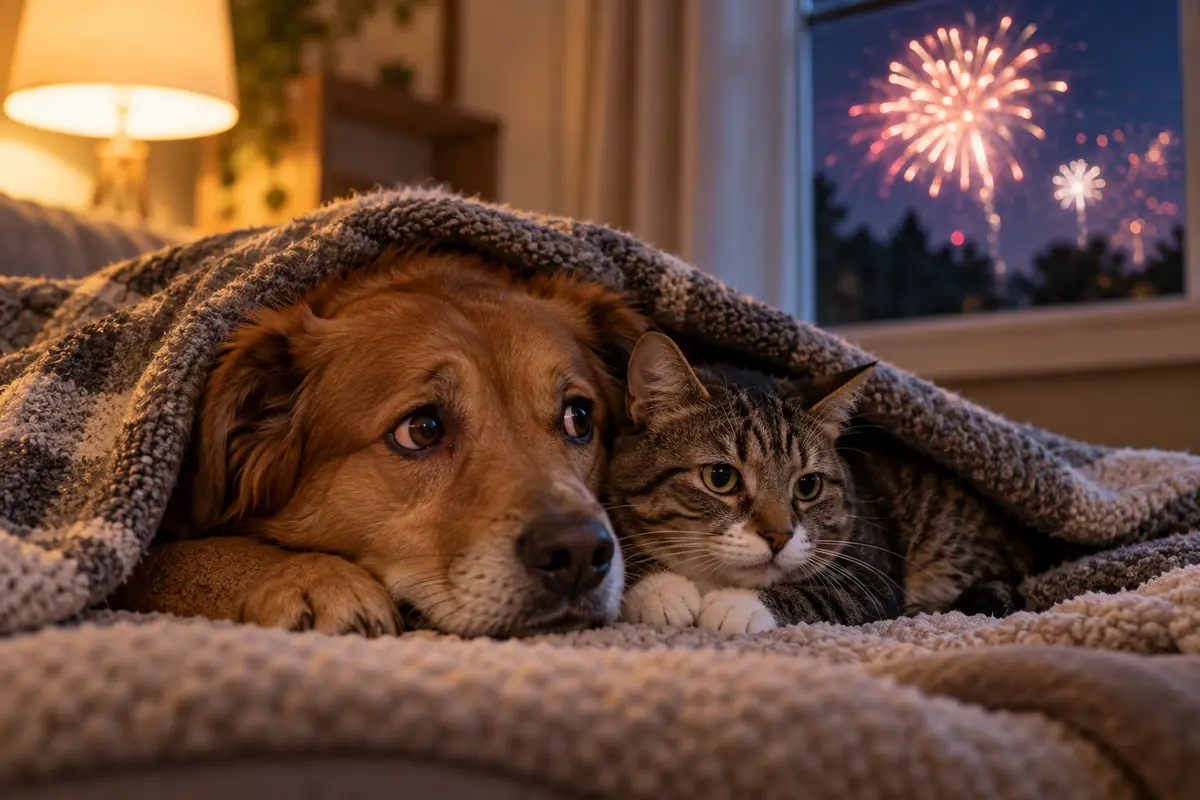
For many pets, fireworks are not a celebration. Sudden booms, flashes, and unfamiliar vibration can trigger fear, hiding, escape attempts, or disorientation. The ASPCA advises keeping frightened pets in a quiet interior room, using soft music or white noise, and making sure identification and microchip information are current in case an animal bolts.
Wildlife can also be disturbed. A 2023 peer-reviewed radar study found that birds flew at significantly higher elevations during periods when fireworks were commonly discharged. Earlier and related research has documented mass flight responses, temporary displacement, and other disruption around major celebrations.
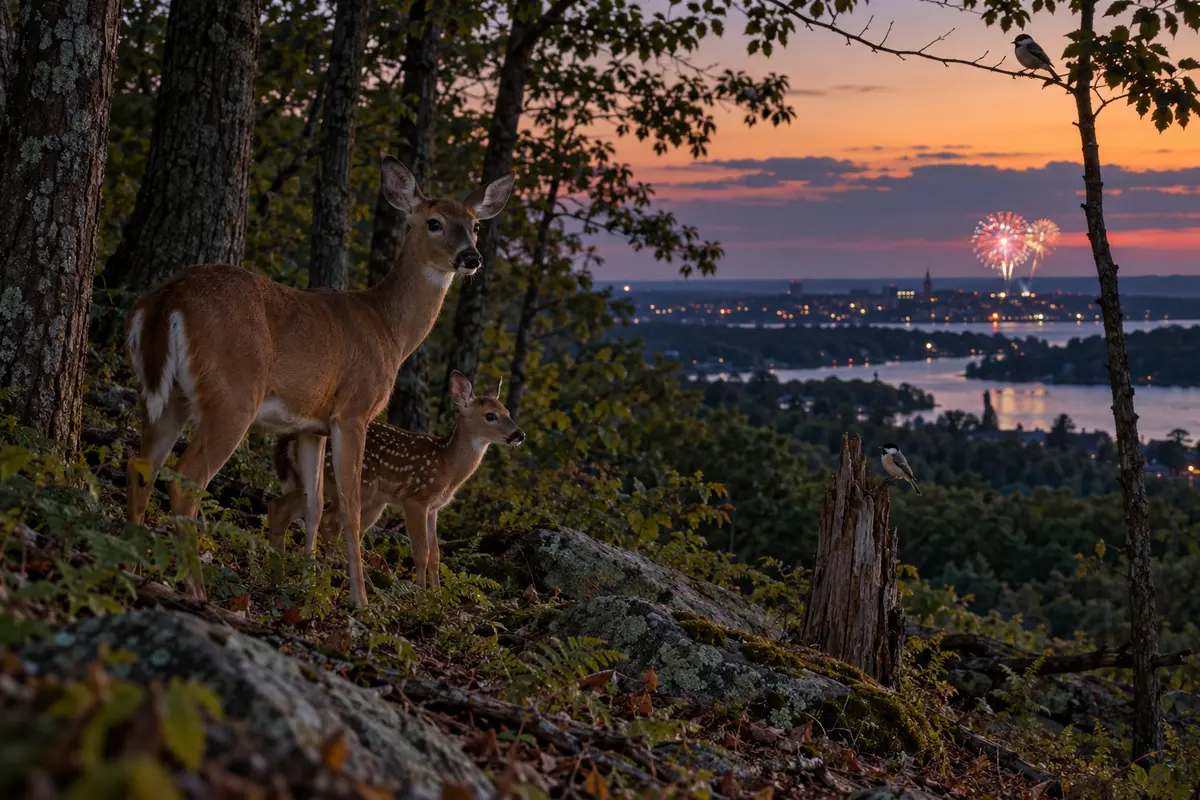
That does not mean every permitted display produces the same level of harm, or that Massachusetts adopted its restrictions to protect wildlife. Professional events are more predictable, concentrated, and regulated than scattered backyard explosions, but they can still create noise and light disturbance.
The accurate takeaway is narrower than the viral headline suggests: Massachusetts has a longstanding ban on unlicensed consumer fireworks, while professionally permitted displays remain legal. The public-safety policy also carries a plausible animal-welfare benefit by reducing random neighborhood blasts that can frighten pets and disturb wild animals.
Sources
- Massachusetts Department of Fire Services: Leave Fireworks to the Professionals
- Massachusetts General Laws, Chapter 148, Section 39
- Massachusetts General Laws, Chapter 148, Section 39A
- Massachusetts public-safety guidance for the Boston Pops Fireworks Spectacular
- ASPCA: Managing Pet Anxiety During Fireworks
- Scientific Reports: Urban bird disturbance from fireworks
