
Images announcing that Indonesia has “officially banned” dancing-monkey shows have spread online, but the national claim goes too far. Indonesia has not enacted a countrywide prohibition on topeng monyet, the street performances in which macaques are dressed, restrained and trained to perform tricks. What the country does have is a growing patchwork of local restrictions, enforcement campaigns and rescue work.
Local action has ended shows in several places
Jakarta became the best-known example. After years of campaigning by Jakarta Animal Aid Network, the capital moved in 2013 to remove dancing monkeys from its streets. Authorities conducted raids, confiscated macaques and sent animals for veterinary checks and rehabilitation. Surakarta introduced a similar ban in 2013.
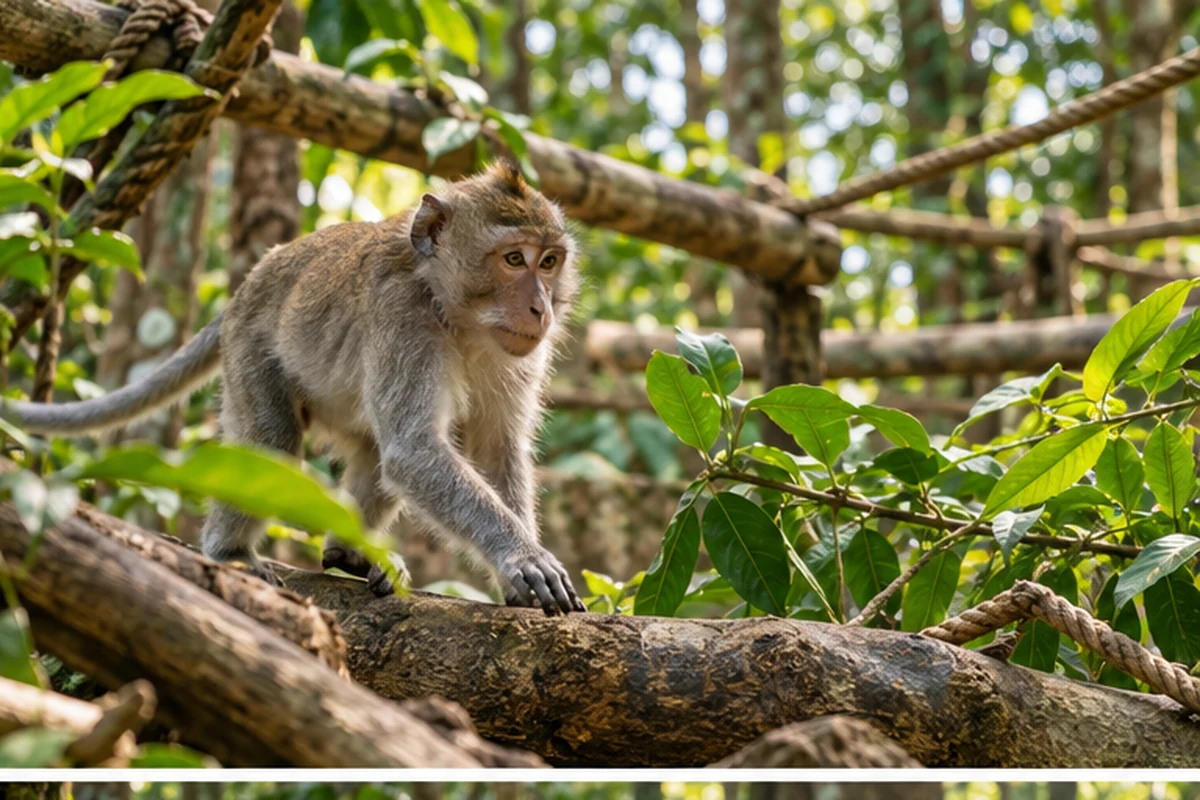
Bali added another regional measure in November 2025. A governor’s circular urged residents not to keep long-tailed macaques, citing conservation, rabies and other public-health concerns. Reporting on the circular said it also prohibited their use in dancing-monkey attractions. These measures are important, but they should not be described as a nationwide law.
Rescue is only the beginning
Removing a macaque from a performance does not mean it can immediately return to the forest. Former performing animals may need quarantine, disease screening, treatment and time to recover natural social and foraging behavior. Some cannot safely be released and require long-term sanctuary care.
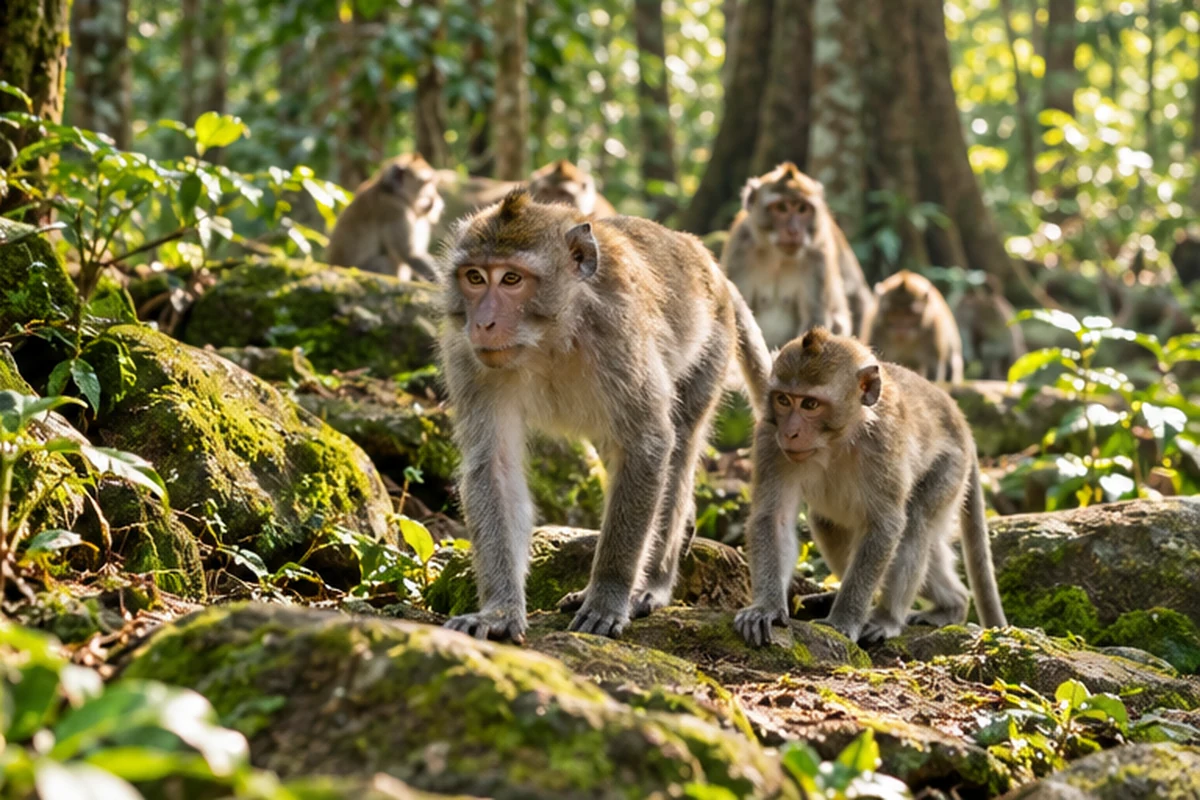
Official figures from East Java’s conservation authority show the scale of the work. The agency reported that 449 long-tailed macaques were released at the Nusa Barung Wildlife Reserve between 2018 and the end of 2024. It said many had been rescued from cruel dancing-monkey performances, illegal trade or facilities unable to care for them properly.
The practice has not disappeared
Enforcement remains uneven. Welfare groups and Indonesian reporting documented dancing-monkey performances continuing or reappearing in some cities during 2025. That gap matters because the animals can be captured from the wild, isolated, restrained and subjected to coercive training. Close contact with primates also raises bite, disease and public-safety concerns.
Long-tailed macaques are not nationally protected wildlife in Indonesia, according to Bali’s conservation authority, although international trade is regulated under Appendix II of CITES. That makes consistent local enforcement, responsible rescue capacity and public refusal to pay for the shows especially important.
The verified picture is therefore hopeful but incomplete: local bans and rescues have protected many individual macaques, yet Indonesia still lacks a nationwide ban. Accurate wording honors that progress without declaring a victory that has not happened.
Sources
- East Java conservation authority: releases at Nusa Barung
- East Java conservation authority: former performing macaque surrender
- Jakarta Animal Aid Network: dancing-monkey campaign
- Bali conservation authority: 2025 macaque circular
- International Animal Rescue: rehabilitation and release
