
Hawaii’s restrictions on cosmetics linked to new animal testing have been in force since January 1, 2022. The measure was signed by then-Gov. David Ige in 2021, making the original social-media claim broadly correct—but this is a retrospective policy story, not a new ban announced in 2026.
The law targets manufacturers that import for profit, sell or offer cosmetics for sale in Hawaii when they knew, or reasonably should have known, that the final product or an ingredient was tested on animals on or after the 2022 cutoff date.
What Hawaii’s law actually prohibits
The legislation was designed to reduce the market for newly animal-tested cosmetics without penalizing consumers or retailers who rely on manufacturers to follow the rules. It covers products used for cleansing, beautifying or changing appearance, including personal-care items such as shampoo, conditioner and deodorant.
The law does not retroactively remove every cosmetic associated with animal testing. A finished product tested before January 1, 2022 can still qualify for sale, as can an ingredient sold in Hawaii and tested before that date. The statute also contains defined exceptions for certain tests required by federal, state or foreign regulators and for some testing conducted for purposes unrelated to cosmetics.
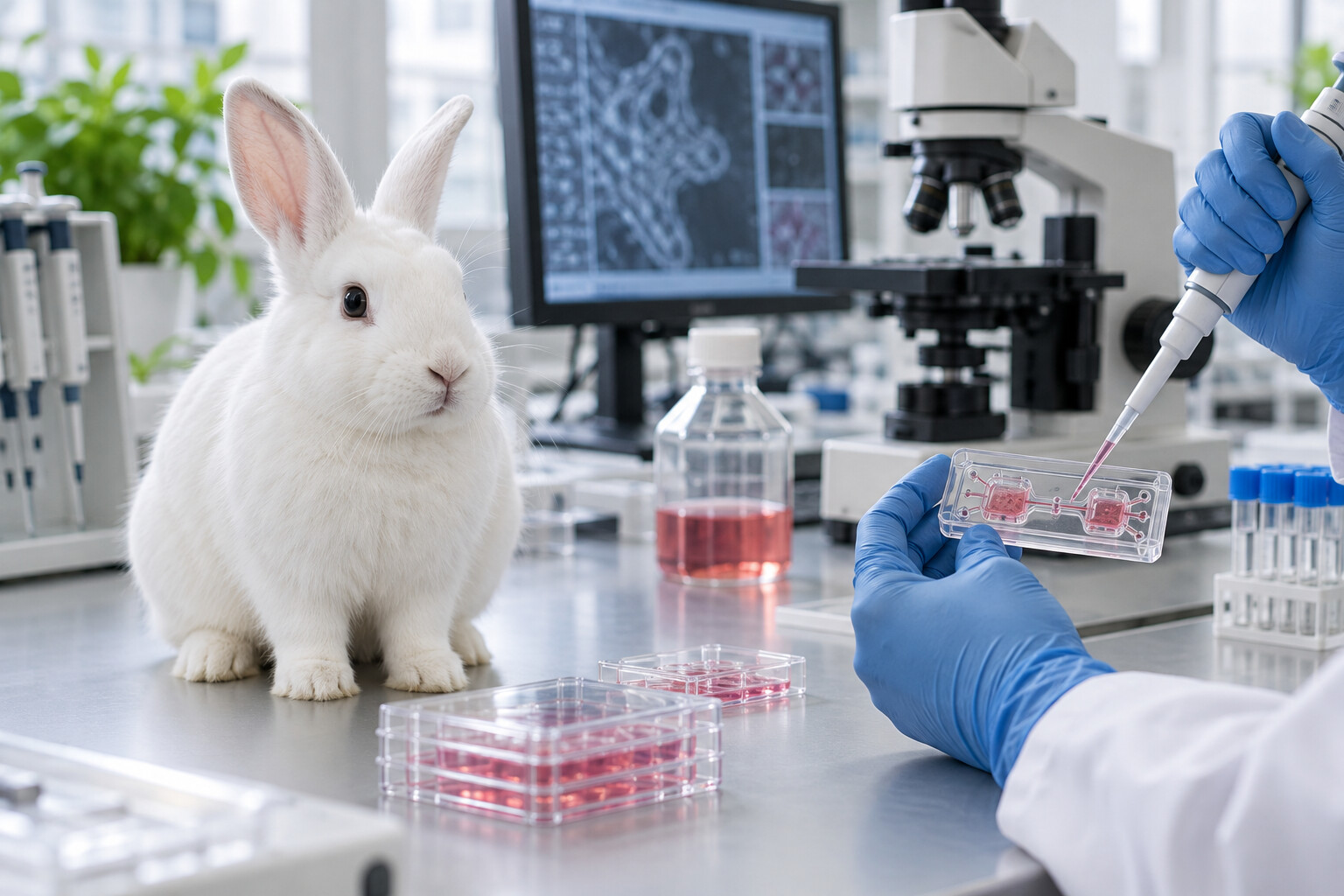
When a regulatory authority requires an animal test, the exemption is narrow. Among other conditions, the law says the ingredient must be in wide use without a suitable replacement, a specific human-health concern must be substantiated, and no accepted non-animal method can be available for the relevant purpose.
Violations can bring a $5,000 fine plus another $1,000 for every day the violation continues. County prosecuting attorneys are empowered to enforce the provision.
Why the 2022 cutoff matters
The date is central to understanding the law accurately. Hawaii did not declare that every cosmetic on store shelves had always been free of animal testing. Instead, it drew a line against relying on new animal-test data for products sold in the state, subject to the statute’s exceptions.
That structure was intended to push manufacturers toward the large pool of established ingredients and modern safety approaches that do not require new tests on live animals. It also placed Hawaii alongside other states that had already acted against the sale of newly animal-tested cosmetics.
Animal-welfare advocates have long argued that rabbits, mice and other animals should not endure painful procedures for beauty and personal-care products when non-animal approaches or ingredients with established safety histories can be used. The broader campaign has encouraged companies and regulators to develop methods based on human cells, computational models and other modern tools.
A meaningful step, with limits
For consumers, the law added pressure on manufacturers to avoid commissioning new animal tests for cosmetics intended for Hawaii’s market. Shoppers can also examine company policies and independent cruelty-free certifications, while remembering that marketing language may not always explain a product’s full testing or supply-chain history.
Hawaii’s action did not end cosmetic animal testing everywhere, and its exemptions matter. Still, the measure established a clear principle: new beauty products should not routinely depend on animal suffering when safer and more humane paths are available.
Years after the law took effect, its message remains relevant. Beauty and personal care do not have to be built on unnecessary harm—and legal standards can help turn that expectation into normal industry practice.
Sources
- Hawaii State Legislature: 2021 cruelty-free cosmetics bill text and statutory framework
- Hawaii State Senate: 2021 legislative newsletter on SB 345
- Humane World for Animals: timeline of cosmetics animal-testing reforms
