
England’s restrictions on rodent glue traps have been in force for more than two years, but the devices can still legally be sold—and the government now says a wider sales ban is under consideration.
The Glue Traps (Offences) Act 2022 makes it a criminal offence in England to set a glue trap for the purpose of catching a rodent, or in a way that risks catching one, unless the use is covered by a licence. The main provisions took effect on July 31, 2024.
That is an important distinction: England has not imposed a complete ban on possession or sale. Licensed professional pest controllers may still deploy glue traps in exceptional circumstances involving serious risks to public health or safety.
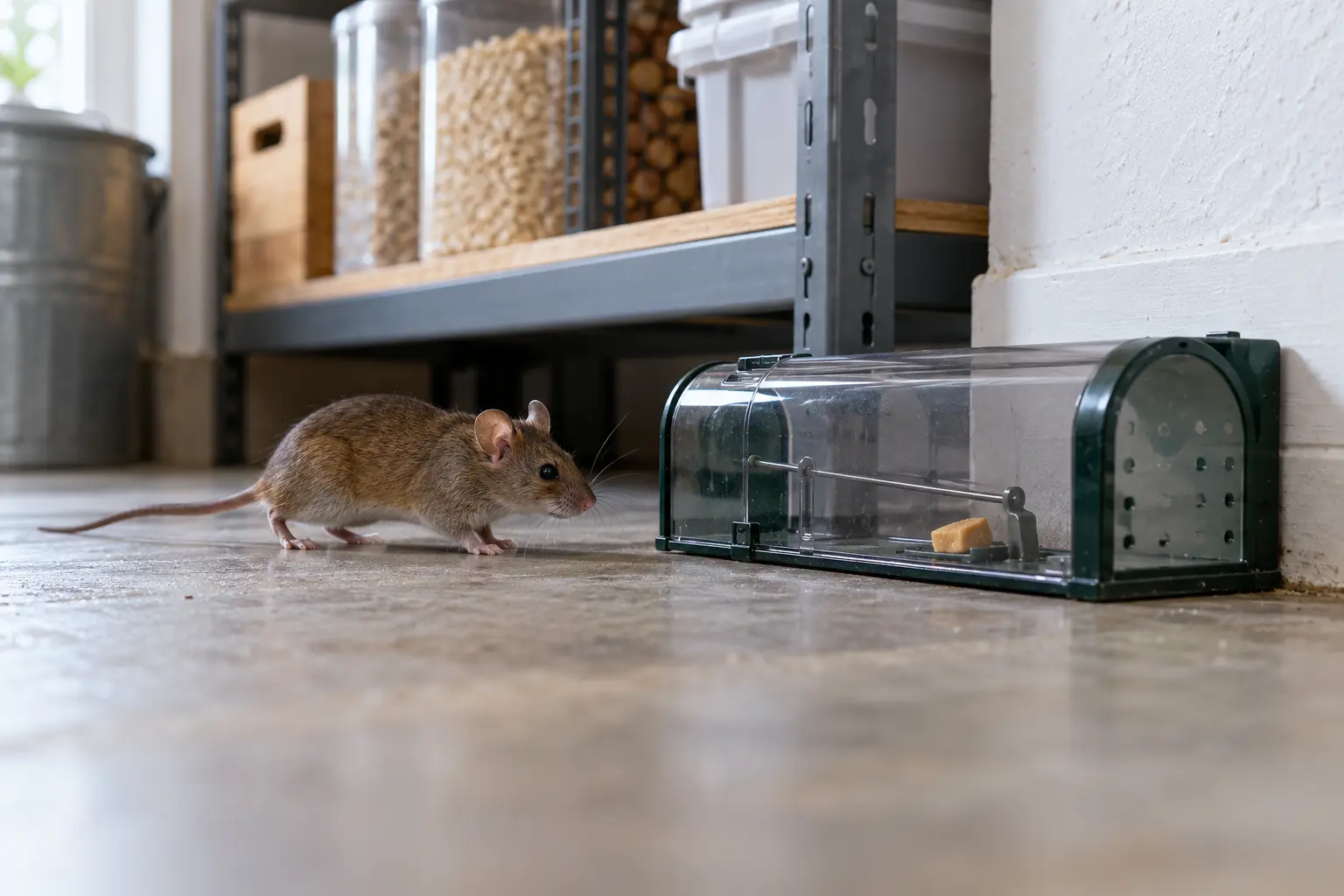
Why glue traps are controversial
A glue trap is usually a board or tray coated with a powerful adhesive. When an animal steps onto it, the animal can become immobilised while remaining conscious. Attempts to escape can cause injury, and a trapped animal may experience prolonged fear, exhaustion, dehydration or exposure before being found.
The risk is not limited to the rodents for which the traps are sold. Small birds and other non-target wildlife may also become caught. The UK’s Animal Sentience Committee said the 2022 law was designed to reduce prolonged suffering affecting rodents and other animals.
The committee also highlighted a practical problem: glue traps remain available through some shops and online sellers. A person may legally buy one in England but commit an offence by using it to catch a rodent without the required licence.
Licences are tightly limited
Natural England currently provides two licensing routes for qualified professional pest controllers. A class licence can be registered in advance for urgent use in narrowly defined indoor locations, such as aircraft, hospital operating areas and critical infrastructure facing an imminent risk of fire or equipment failure.
An individual licence may be issued for one site and a limited period when there is a large-scale risk to public health or safety, other control methods have been tried, and no satisfactory alternative remains. Government guidance says restaurants, pubs, takeaway businesses and private homes are unlikely to meet that threshold.
Licence holders must meet training requirements, follow monitoring and response rules, and report their use. The system is therefore not a general exemption for routine pest control.
Government acknowledges the sales gap
On September 7, 2026, the Department for Environment, Food and Rural Affairs published its formal response to recommendations from the Animal Sentience Committee. The government acknowledged that glue traps can still be purchased lawfully in England and described their continued availability as problematic.
The response said a coordinated ban on sales across the United Kingdom has merit and is being considered. It did not announce a new ban or set an implementation date. It also stated that England’s existing law contains no power to prohibit sales, meaning new primary legislation would be required.
The government said it first wants to assess the effectiveness of Scotland’s newer approach. Scotland’s ban on the use, possession and sale of glue traps came into force on July 1, 2026. Wales bans their use but not their sale, while Northern Ireland currently bans neither, according to the government response.
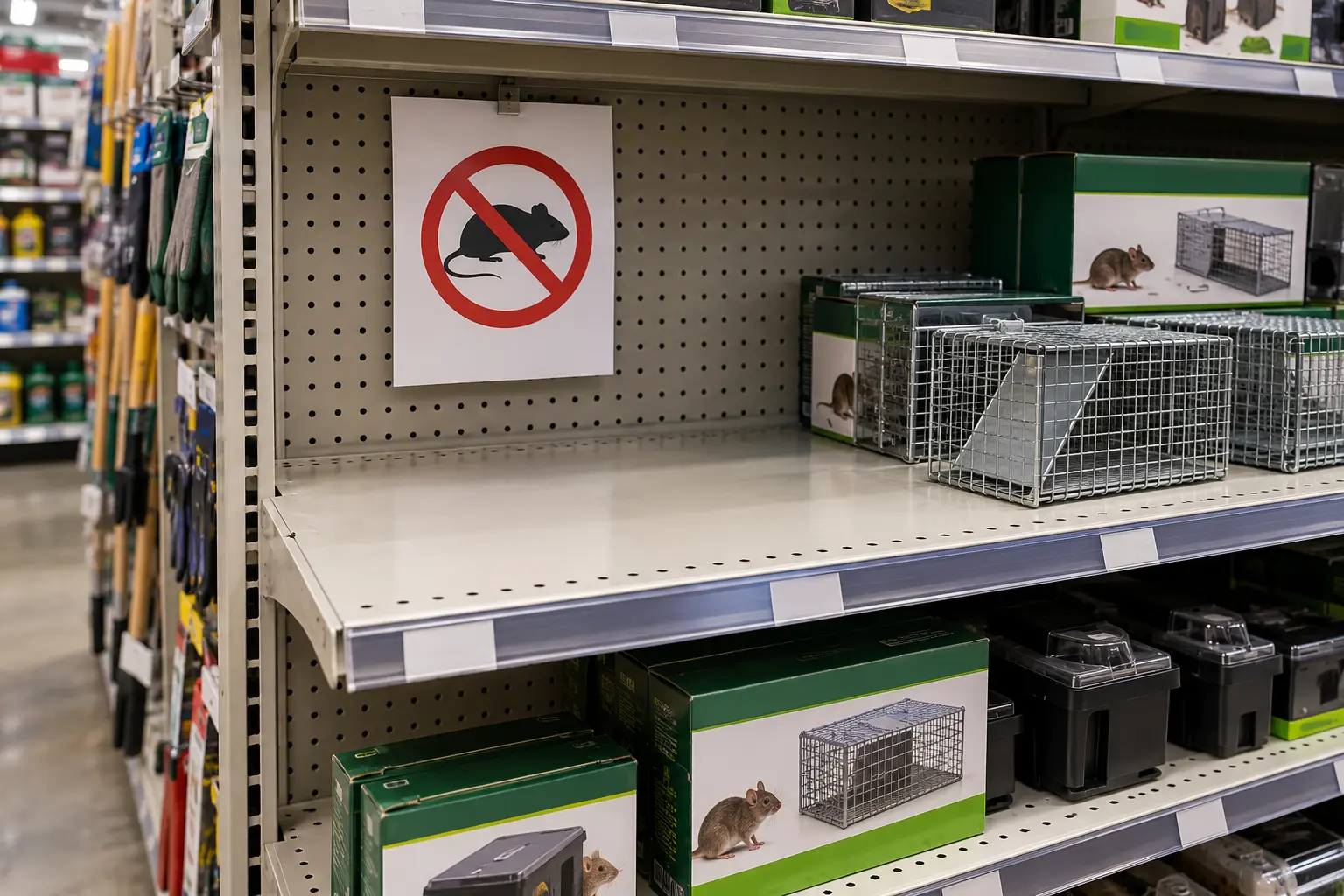
What could happen next
A coordinated sales ban could reduce accidental illegal use and make it harder for unlicensed users to obtain traps intended for rodents. The Animal Sentience Committee recommended an even approach across the UK, while recognising that animal-welfare policy is devolved to the four nations.
That means the UK government cannot simply impose matching rules on Scotland, Wales and Northern Ireland. Ministers and legislatures in each nation would need to decide what changes to support, and England would need a suitable legislative route of its own.
For now, the legal position in England remains unchanged: buying a glue trap may be lawful, but using one to catch rodents without a licence is not. The government’s latest response signals that closing this gap is now a live policy question—not a completed ban.
Sources
- UK legislation: commencement of the Glue Traps (Offences) Act
- Defra response on possible sales restrictions, September 7, 2026
- Animal Sentience Committee report
- Natural England glue-trap licensing guidance
