
Donkey rides remain part of the tourist experience in destinations around the world, especially where steep paths, historic streets or limited road access make animal transport seem convenient. But the practice presents a difficult question: when a livelihood depends on an animal carrying visitors, how should communities respond when welfare standards are not being met?
There is no worldwide ban on tourist donkey rides, and conditions vary widely. A carefully managed working animal with suitable equipment, limited hours, appropriate loads, water, shade, rest and veterinary care is not in the same situation as an overloaded donkey working in intense heat. The problem is that tourists often have little information about the animal’s health, workload or treatment outside the few minutes they see.
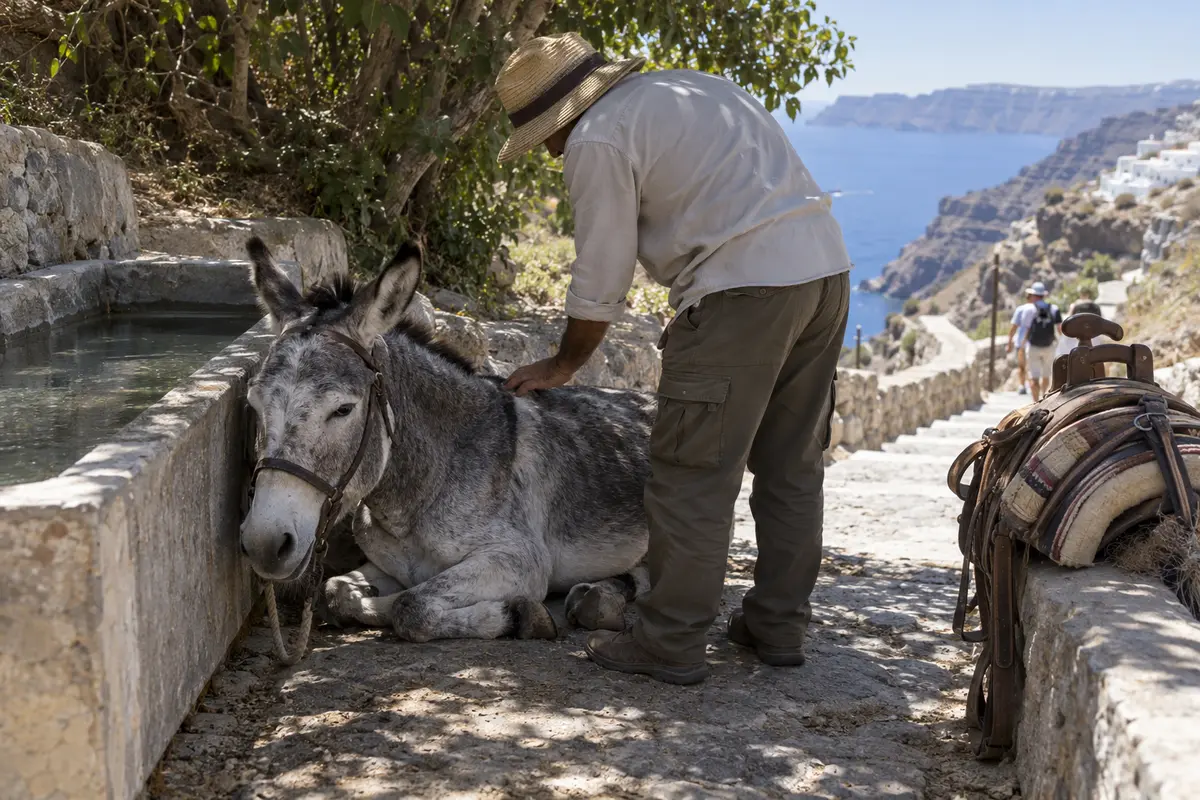
Welfare cannot be judged by weight alone
Guidance prepared through the European Commission’s Animal Welfare Platform says donkeys and mules should not carry more than 33 percent of their body weight, while also stressing that the intensity and duration of the work must be considered. That means a simple number cannot decide whether a ride is humane.
The animal’s age, body condition, fitness and health all matter. So do the slope and surface of the route, the temperature, the duration of the journey, the fit of the saddle and tack, and the amount of recovery time between trips. A load that might be manageable briefly on level ground can become much more demanding on a steep route in summer heat.
The Donkey Sanctuary advises travelers to look for warning signs such as wounds, lameness, poor body condition, badly fitting equipment and a lack of water, shade or rest. It also encourages tourists to avoid participating when they have concerns rather than assuming that a familiar local attraction must be safe for the animals involved.
Scientific reviews of donkey welfare have also emphasized that these animals have species-specific needs and that stronger, evidence-based minimum standards are still needed. Donkeys can be stoic, meaning pain or exhaustion may not always appear in ways an unfamiliar visitor immediately recognizes.
Workers should not carry the cost of reform alone
The economic side cannot be dismissed. Animal-based tourism may support handlers, owners and extended families, particularly in destinations with seasonal employment and few alternatives. An abrupt ban introduced without consultation, compensation or replacement work could protect animals while leaving people in financial crisis.
That does not justify harmful conditions. It means reform should be designed to protect both animals and the people whose income has been built around them. Authorities and tourism businesses can enforce welfare rules immediately while also funding transitions where riding cannot be made safe.
Options can include paid walking tours, luggage transport by appropriate vehicles, animal-care demonstrations, sanctuary visits, retraining, small-business grants and phased retirement plans for working donkeys. Tourism operators and booking platforms can also stop promoting businesses that repeatedly fail welfare inspections.
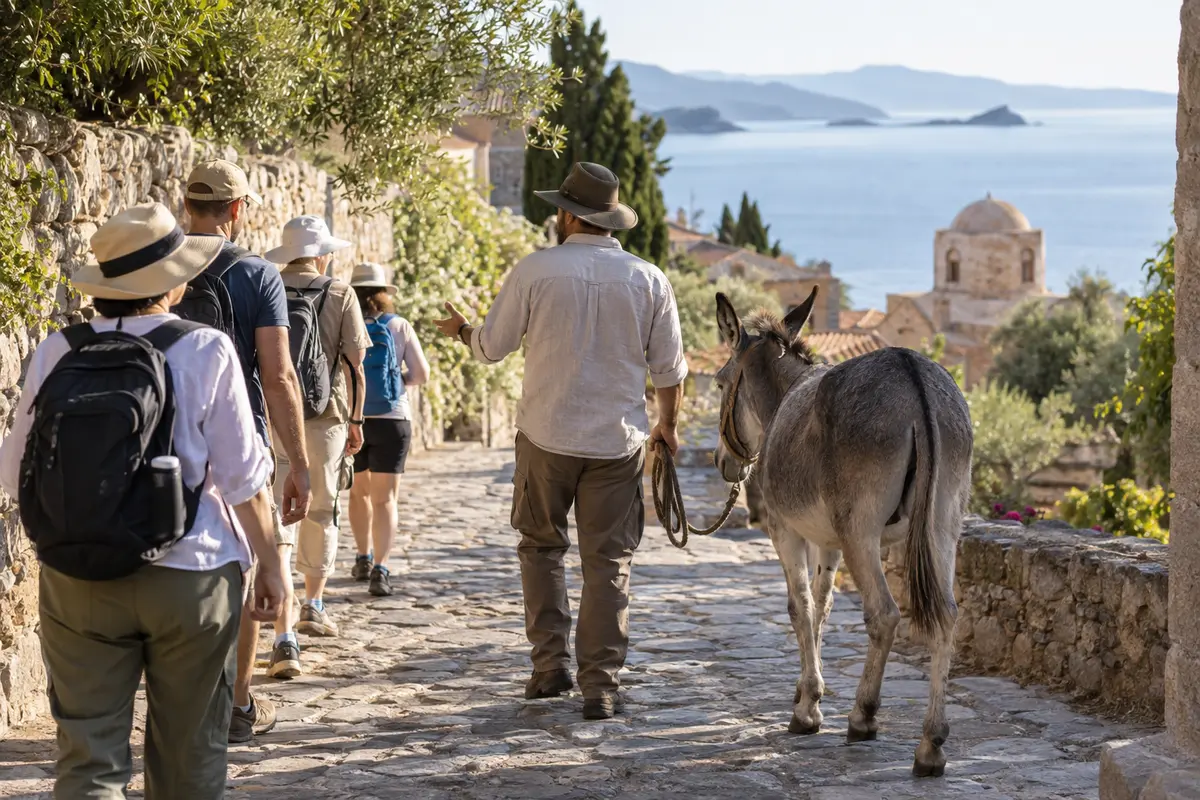
What responsible change could look like
The choice is not simply between ignoring animal suffering and eliminating someone’s income overnight. Destinations can begin with independent inspections, enforceable limits on working hours and loads, mandatory access to shade and water, properly fitted equipment, veterinary oversight and clear consequences for violations.
Where climate, terrain, crowding or enforcement make safe rides unrealistic, ending the activity may be the responsible outcome. But the transition should include the workers and the animals: people need viable replacement income, while retired donkeys need secure homes, ongoing care and protection from being sold into another exploitative use.
Tourists also have influence. Choosing to walk, use an alternative form of transport or spend money with welfare-conscious local businesses can reduce demand for harmful rides without rejecting the wider community.
The strongest solution is one that refuses to make either donkeys or low-income workers disposable. Animal welfare should set the boundary, and a fair transition should determine what comes next.
Sources
- The Donkey Sanctuary: Donkeys in tourism
- European Commission Animal Welfare Platform: Guidance for equids used in tourism
- Systematic literature review on donkey welfare
