
High up in the rugged terrain of the Himalayan Mountains, one of the most elusive and awe-inspiring big cats reigns supreme—the snow leopard.
Known as the “ghost of the mountains,” these majestic creatures are perfectly adapted to survive in the alpine environment’s thin air and freezing temperatures.
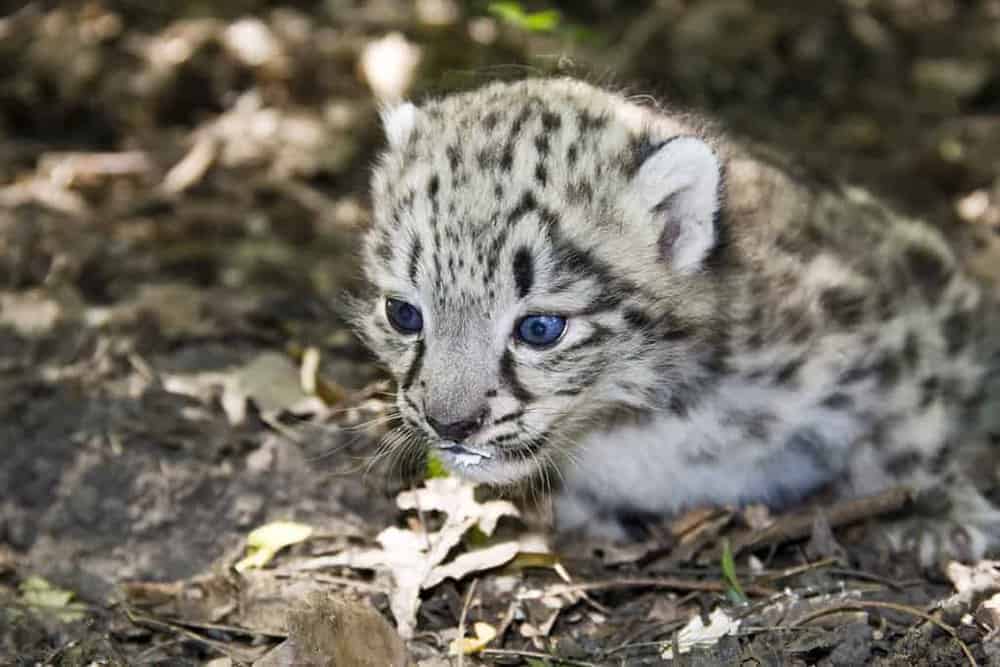
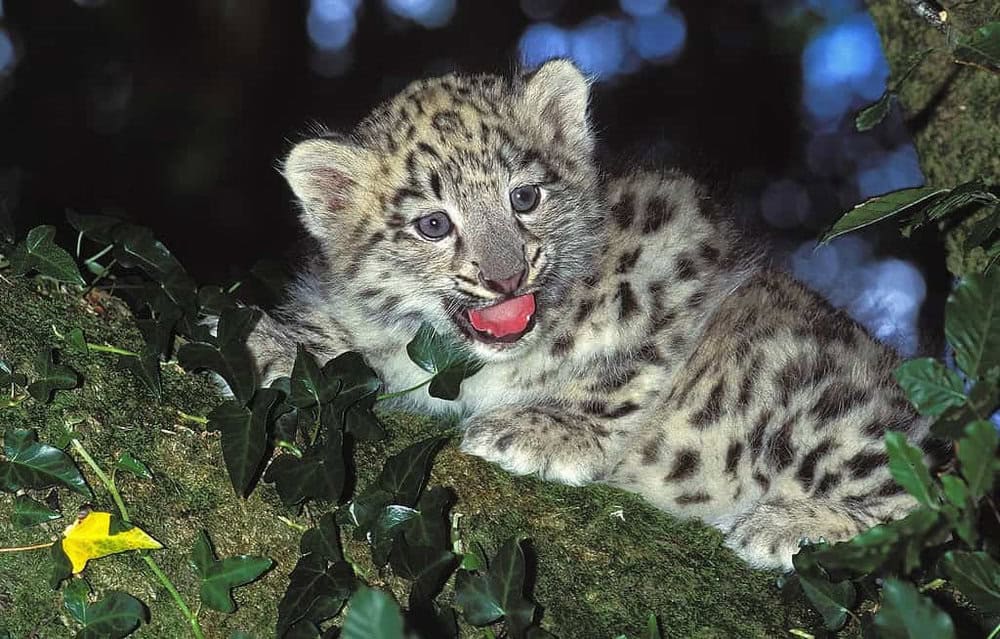
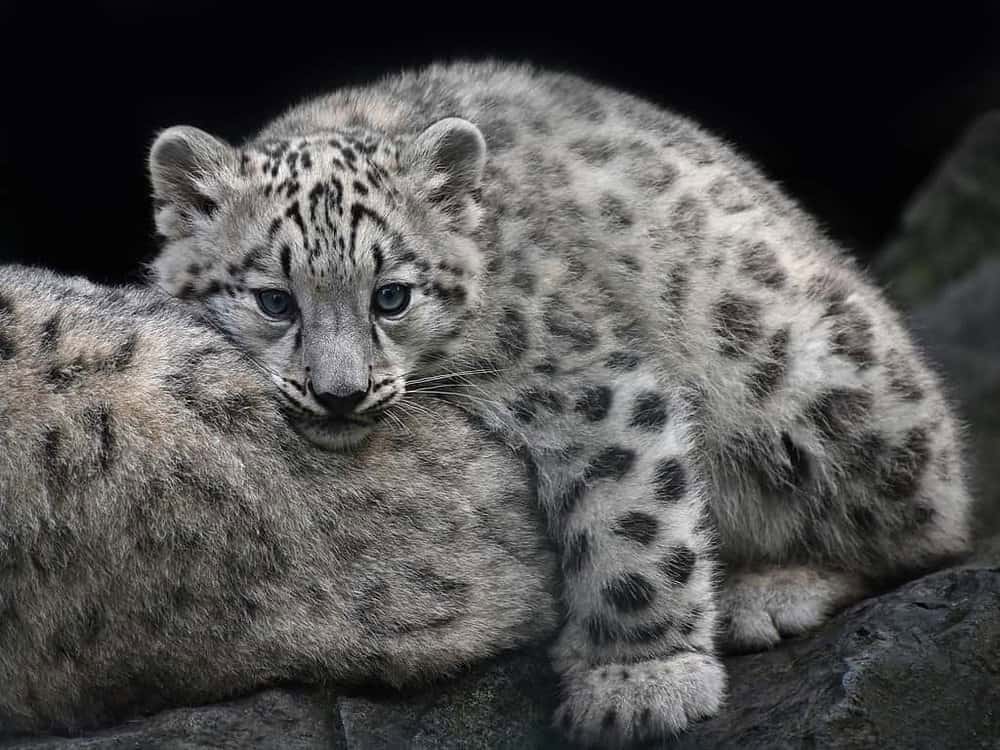
While adult snow leopards are striking, their cubs are equally captivating. Let’s explore ten incredible facts about baby snow leopards, accompanied by heartwarming photos of these little survivors.
1. Tiny but Mighty
At birth, baby snow leopards weigh just around 1 pound, a fraction of the 60-100 pounds they’ll eventually reach as adults. Helpless and blind, these newborns rely entirely on their mothers for warmth and protection.
2. A Delayed Start
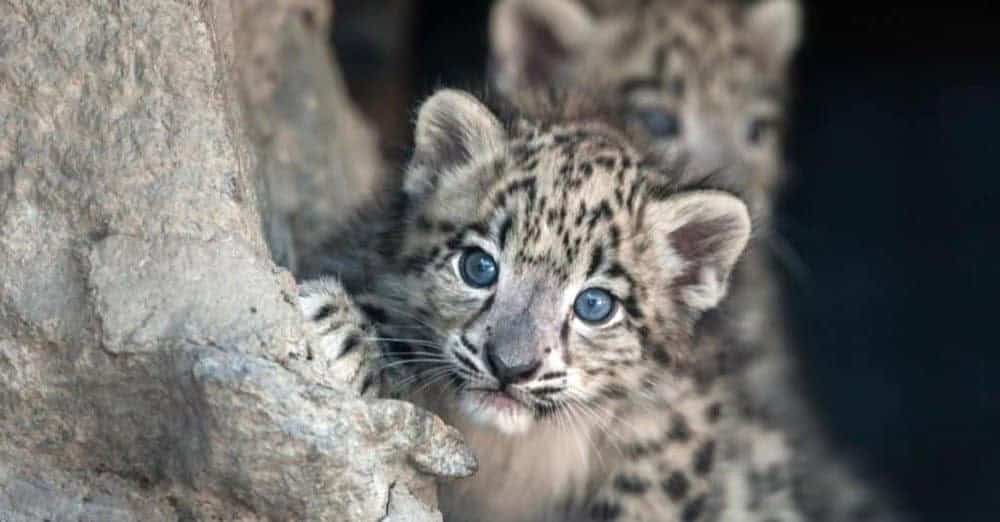
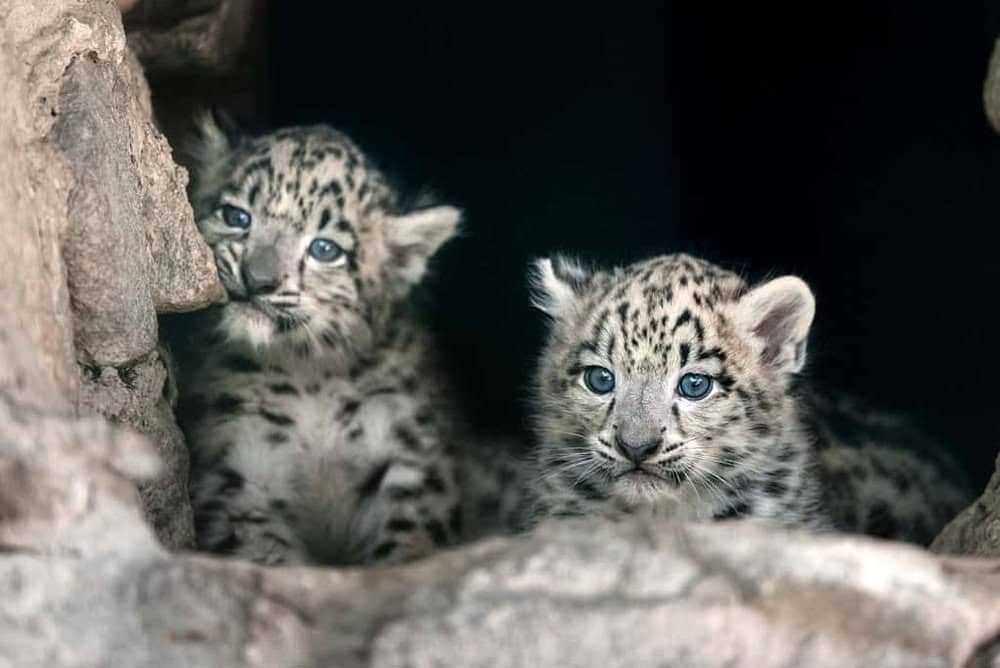
Snow leopard cubs are born blind and don’t open their eyes until seven days old. They begin to walk around five weeks of age, but they stay in the safety of their den for two to three months, cared for by their watchful mothers.
3. High-Altitude Babies
Snow leopards inhabit remote, high-altitude regions in South and Central Asia, often between 9,800 and 14,800 feet.
These elevations help protect baby snow leopards from predators while their thick, fluffy coats shield them from the harsh cold.
4. Synchronized Births
With a short mating season in late winter or early spring, snow leopards give birth around the same time each year, typically between April and July. Most cubs arrive in June or July, often on the same day.
5. Raised by Mom
Male snow leopards don’t stick around after mating. Female snow leopards raise their cubs alone, staying close to their dens to nurture them.
By three months old, the cubs begin exploring their surroundings and learning survival skills from their mother, such as hunting prey like ibexes and Himalayan blue sheep.
6. Built for Survival
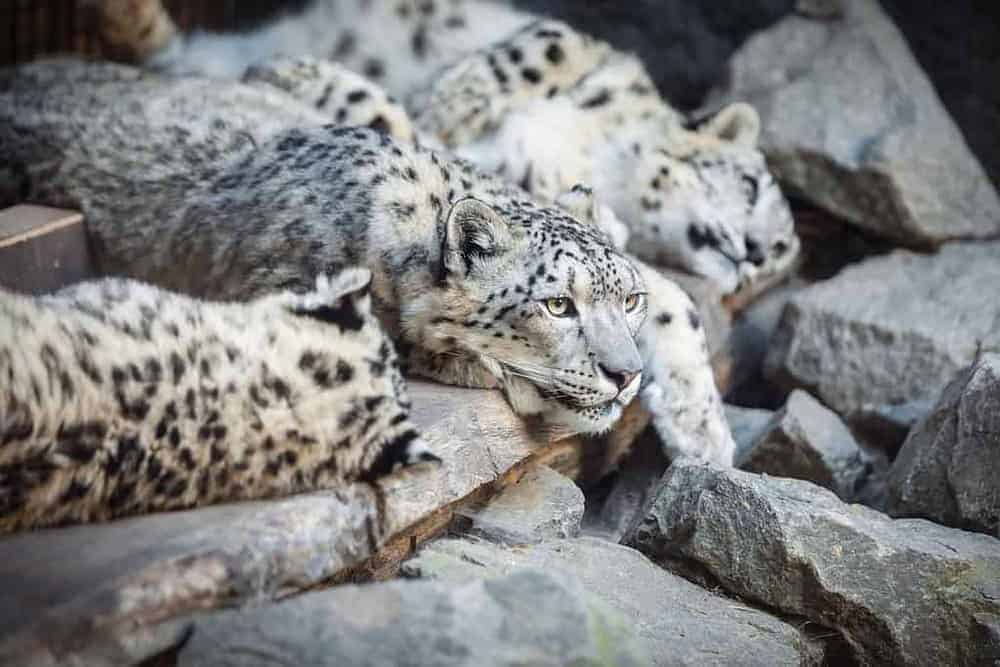
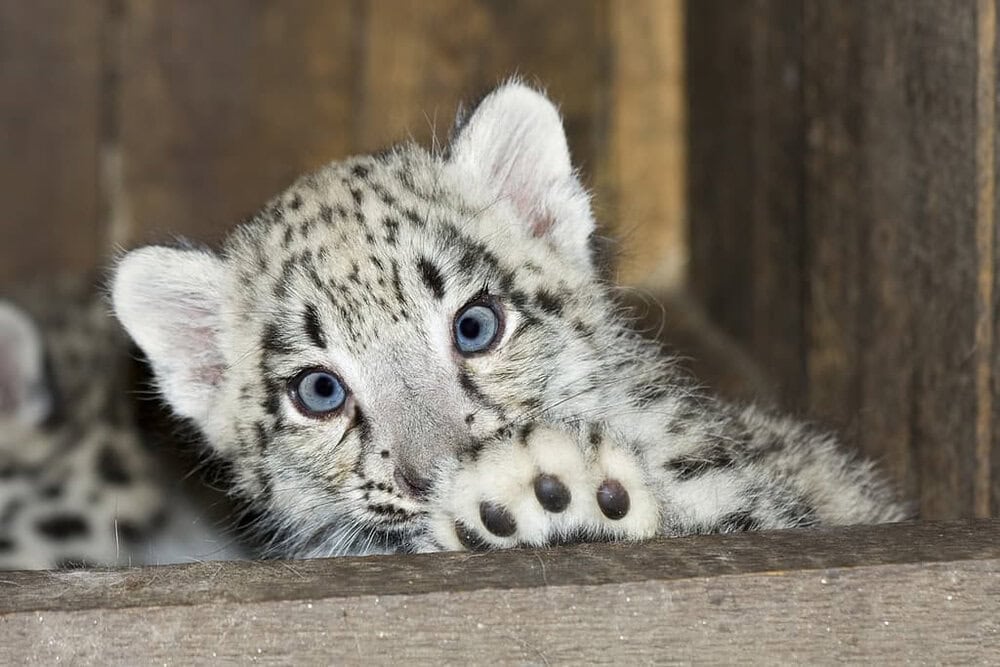
Though born blind and defenseless, baby snow leopards are well-equipped for their environment. Their 2 to 5-inch-long fur insulates them from the cold, while their small, rounded ears minimize heat loss. Their large paws resemble snowshoes, helping them move across snow without sinking.
7. Tail of the Tape
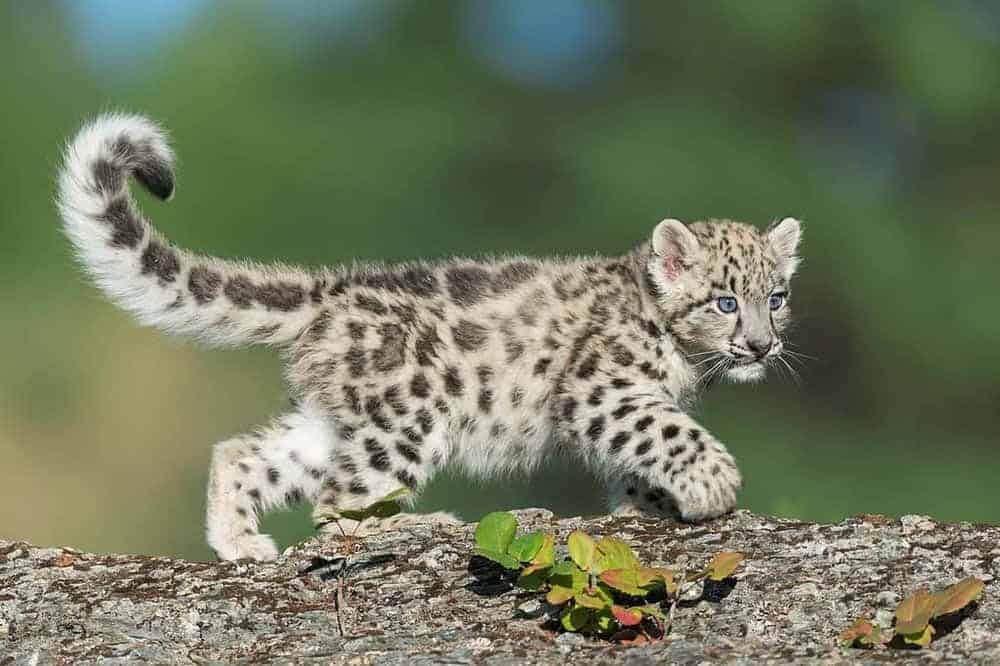
Snow leopards have the longest tails of any big cat, which helps them balance on rocky slopes. These thick, furry tails also serve as a cozy blanket, as cubs often curl up with their mother’s tail for warmth.
8. Learning to Leap
As they grow, baby snow leopards develop impressive jumping skills. With strong hind legs, they can leap up to 30 feet in the air or jump across 50-foot gaps, a necessity for life in the mountainous terrain.
9. Playful and Vocal
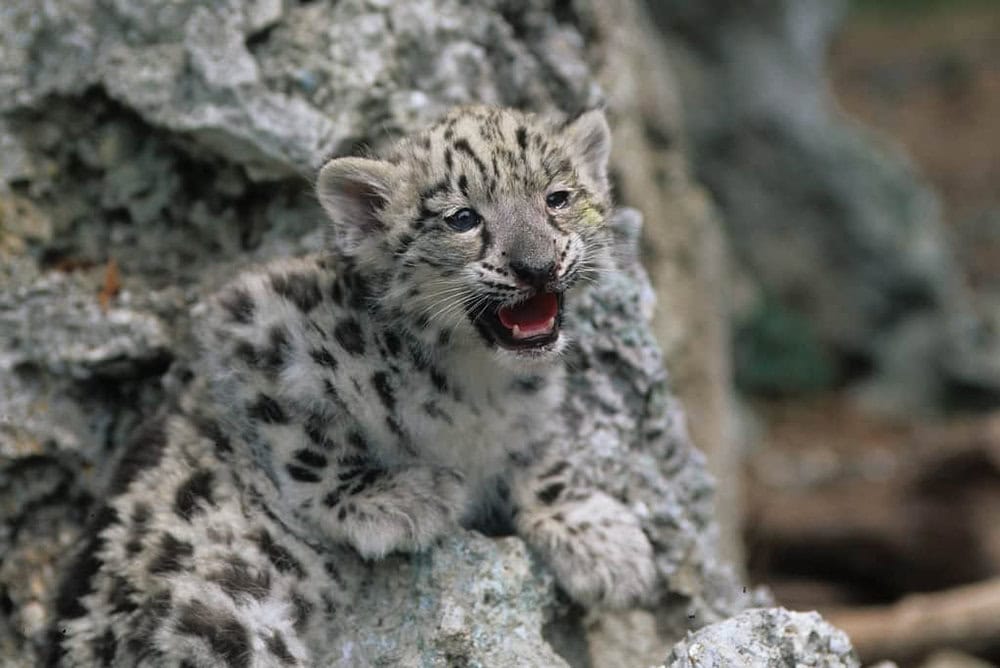
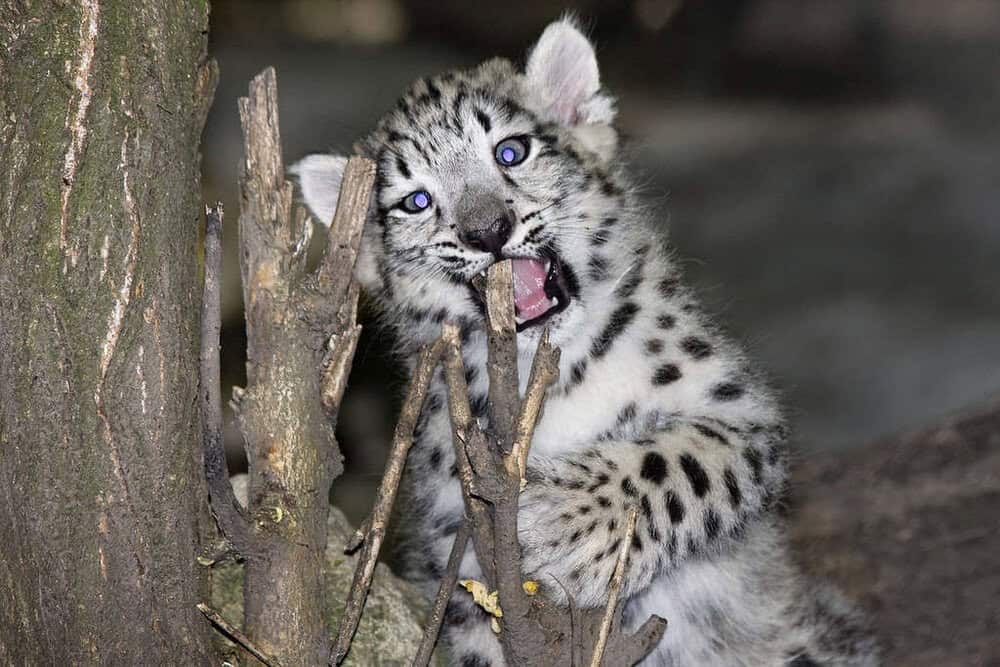
Snow leopard cubs are social and playful, wrestling, chasing, and even sneaking up on their mothers.
They communicate with various sounds—growls, chirps, purrs, and more. One unique sound they make is a “chuff,” a puffing noise, as unlike other big cats, snow leopards cannot roar.
10. A Species in Danger
Sadly, snow leopards face numerous threats, including habitat loss, poaching, and retaliatory killings by humans.
These majestic cats are critical to maintaining their ecosystem balance by controlling smaller animal populations. In the wild, snow leopards typically live 15-18 years; in captivity, they can reach up to 25 years.
Thankfully, efforts are underway to protect snow leopards. Organizations like the Snow Leopard Trust and Snow Leopard Conservancy and international programs are working hard to preserve these incredible animals and their habitats.
The Global Snow Leopard and Ecosystem Protection Program, launched in 2013, unites 12 countries to ensure a future for snow leopards.
Snow leopard cubs may start life vulnerable, but with their remarkable adaptations and a little help from conservationists, they have the potential to grow into the “ghosts of the mountains” themselves.
Read more Wildlife News.


