
Extreme heat does not stop at the human edge of a city. Dogs, cats and other animals living outdoors can face dehydration, burned paw pads and heat-related illness, yet they may have no reliable access to shade, water or an air-conditioned room.
That makes a growing animal-welfare question worth taking seriously: should cities include safe cooling spaces for stray and community animals in their heat-emergency plans?
This is not a nationwide requirement or a single new law. It is a policy proposal built around established veterinary guidance and programs that some cities already use for people with companion animals.
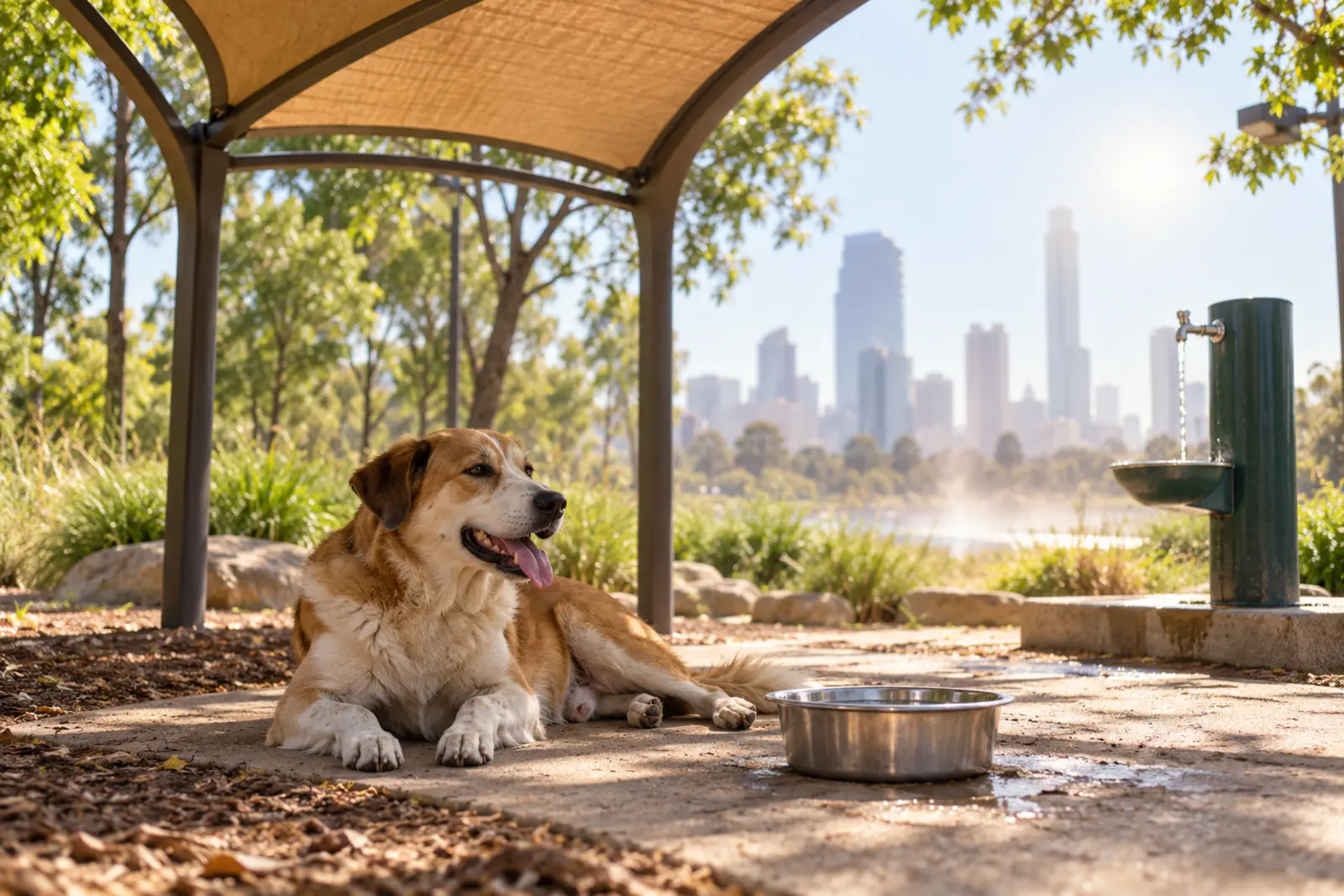
Heat can become dangerous quickly
The American Veterinary Medical Association advises that animals outside in warm weather should have unlimited access to fresh water and shade. The ASPCA similarly warns that dogs and cats can dehydrate quickly and says animals should have a cool indoor area when conditions become too hot.
Some animals are especially vulnerable. Flat-faced dogs and cats may have more difficulty cooling themselves through panting. Older animals, very young animals and those with health conditions can also face higher risk. Warning signs can include excessive panting, breathing difficulty, drooling, weakness, unresponsiveness or collapse.
For an owned pet, the safest response is usually to bring the animal indoors. Stray and free-roaming community animals do not have that guarantee. A gap beneath a parked vehicle may look like shelter from the sun, but it introduces another danger when the driver returns.
Cities already have part of the model
Municipal cooling centers are usually designed for people, yet several cities have shown that animals can be included. Los Angeles has designated recreation facilities as pet-friendly cooling centers during extreme heat. New York City has also operated pet-friendly cooling locations and has partnered with private businesses to provide additional options.
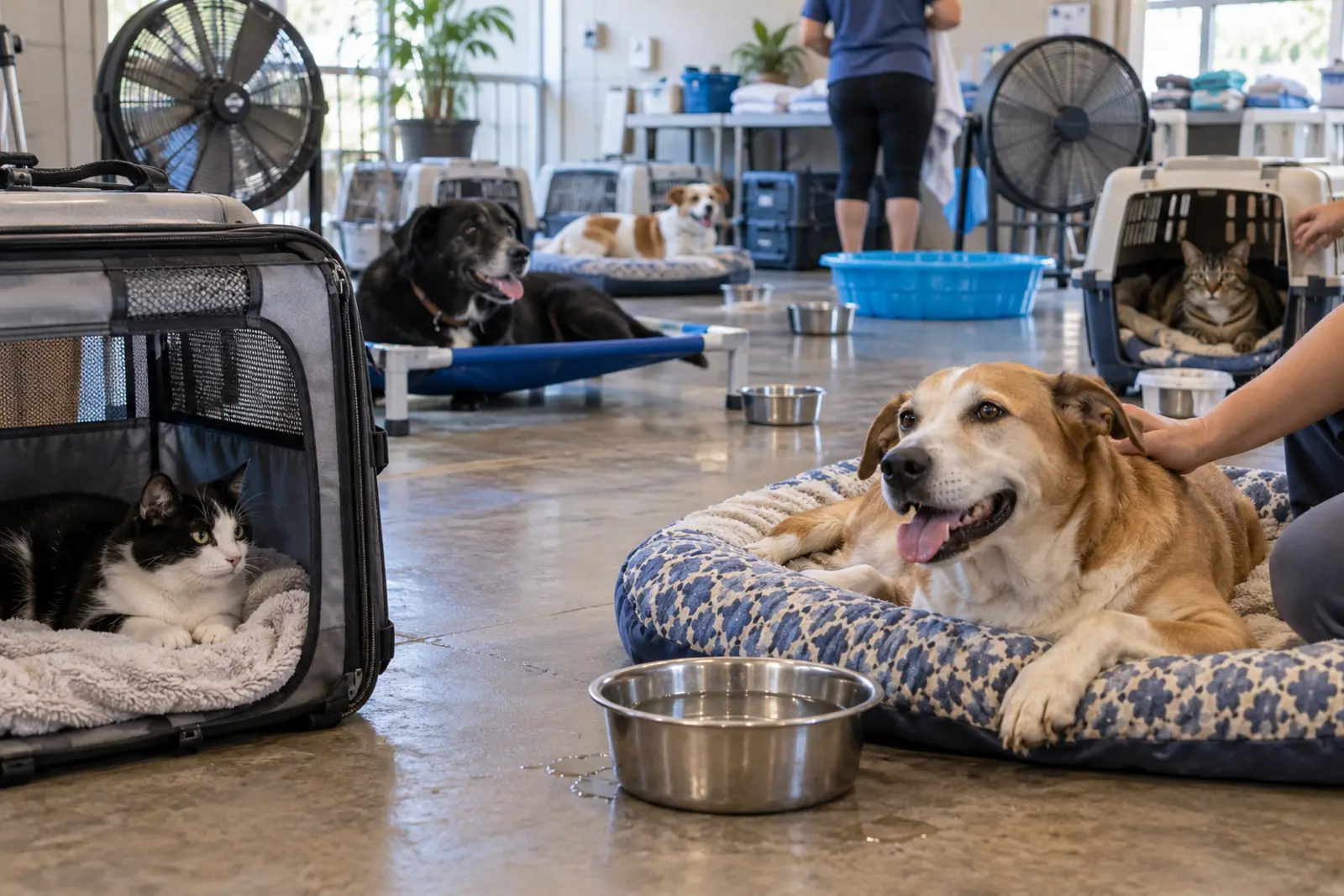
Those programs primarily help residents who need to bring their own pets with them. A stray-animal plan would require different safeguards: trained staff, temporary containment, veterinary triage, disease-control procedures, transport capacity and a clear path to reunification, foster care or shelter placement.
Not every free-roaming animal should simply be captured. Community-cat programs, local wildlife rules and shelter capacity vary widely. Any city initiative would need animal-control agencies, veterinarians, rescue groups and community caretakers to decide when an animal needs intervention and when shade and water are the better response.
Small infrastructure could prevent suffering
A practical plan does not have to begin with a large new building. Cities could map shaded public areas, install tamper-resistant water stations where maintenance is possible, deploy temporary canopies during declared heat emergencies and coordinate mobile welfare checks in known hot spots.
Residents can help, too. Fresh water placed in a safe, clean location can be useful when local rules allow it. Bowls should be washed and refilled regularly rather than left to become contaminated. People should check beneath vehicles before driving and contact animal control, a veterinarian or a rescue organization when an animal appears disoriented, weak or unable to stand.
Wildlife requires extra caution. Feeding or handling wild animals can create risks for both animals and people, so suspected heat distress in wildlife should be referred to a licensed rehabilitator or local wildlife agency.
Extreme-heat planning is ultimately about identifying who cannot easily protect themselves. Including animals would not replace the need for human cooling centers. It would extend the same emergency logic—shade, hydration, monitoring and safe shelter—to vulnerable lives already sharing the city.
Sources
- American Veterinary Medical Association: Warm weather pet safety
- ASPCA: Hot Weather Safety Tips
- City of Los Angeles: Extreme Heat Returns
- New York City Emergency Management: Extreme-heat guidance
- CDC: Heat and Pets
