
Francis Lee Rogers, a 63-year-old artist known for painting birds and other wildlife in New York City’s Central Park, was found dead in the park on September 27, 2026. A 36-year-old man has been charged with murder and criminal possession of a weapon. Those charges remain allegations, and the criminal case has not produced a conviction.
Rogers was also known as Lee Rogers and Elise Bainbridge Hill. Friends described her as a familiar presence in the Ramble, Central Park’s wooded birding area, where she observed animals, painted watercolors and maintained bird feeders.

A life shaped by Central Park’s wildlife
People who knew Rogers said she did more than paint what she saw. She studied the behavior of the park’s animals and shared that knowledge with visitors. One longtime acquaintance recalled buying several of her illustrations, including a work depicting Pale Male, the red-tailed hawk that became famous among New York birdwatchers.
Her connection to the park spanned years. Reporting by CBS New York described her as part of the area’s daily fabric, while friends remembered both her art and the care she showed toward birds and other wildlife.
What authorities have said
Police responded to a 911 call before 10 a.m. on September 27 and found Rogers unresponsive in a gazebo in the Ramble. Police sources told local news outlets that she suffered head trauma. Jonathan Robles, 36, later turned himself in and was charged.
On October 13, CBS New York reported that Robles was expected to be arraigned. Public reporting did not establish a final verdict at that time. For that reason, he should be described as the accused and not as a convicted offender.
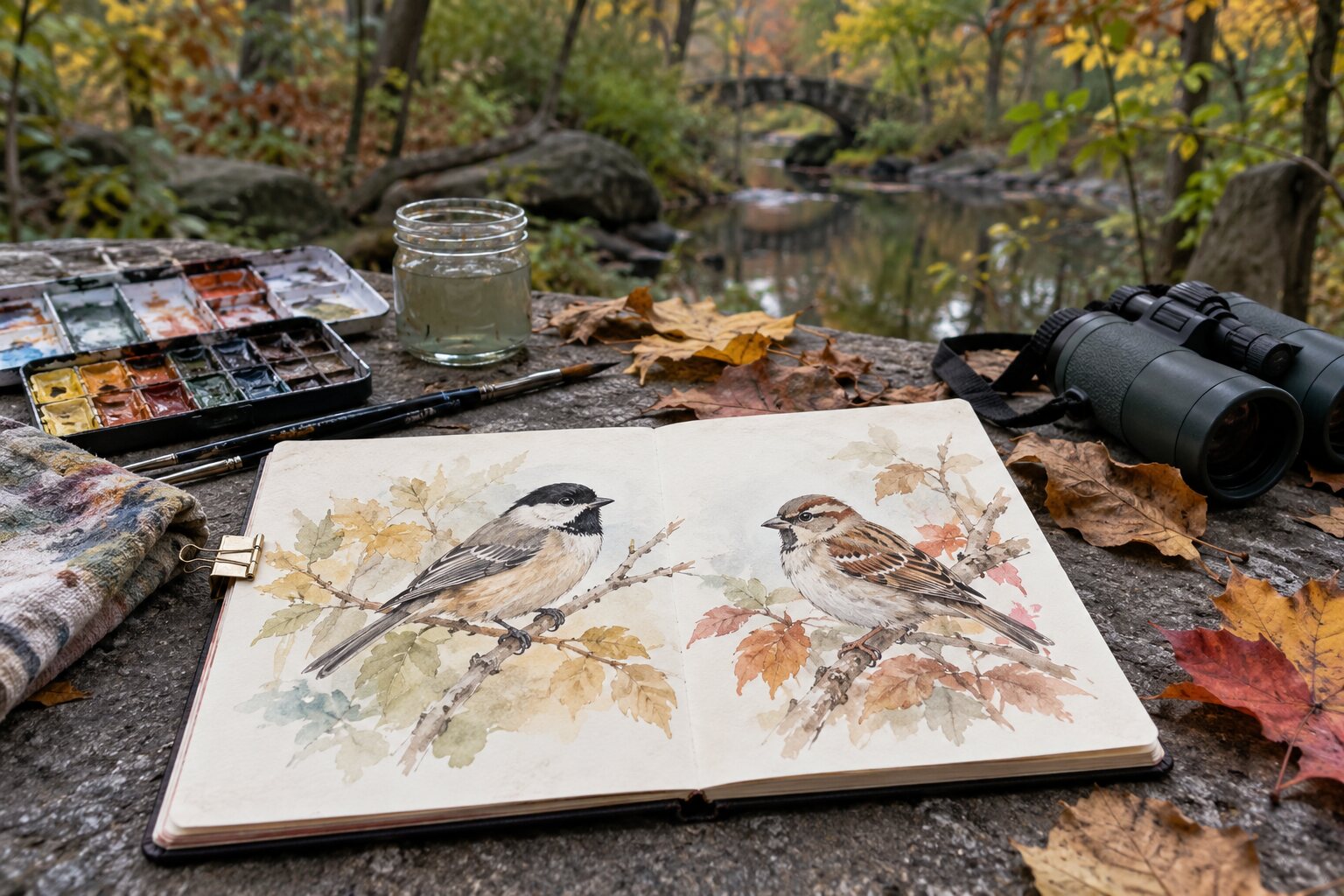
Remembering the artist, not only the crime
The circumstances of Rogers’s death brought public attention to the case, but the memories shared by friends centered on how she lived: watching birds, making art and helping other people notice the wildlife around them.
Her work offered a close view of animals that many park visitors might otherwise pass without seeing. In remembering Rogers, it is important to preserve that fuller picture of her life while allowing the courts to determine responsibility for her death.
Sources
