Disney’s “The Lion King” is a beloved animated classic that presents a majestic view of lion society. However, the film blends factual elements with creative storytelling, often diverging from actual lion behavior. This article examines how “The Lion King” aligns with or strays from real lion social dynamics.
“The Lion King” portrays pride dynamics through Simba’s journey, reflecting some aspects of the lion’s social structure. The pride, led by Mufasa, is depicted as a tight-knit family unit, which is somewhat accurate.
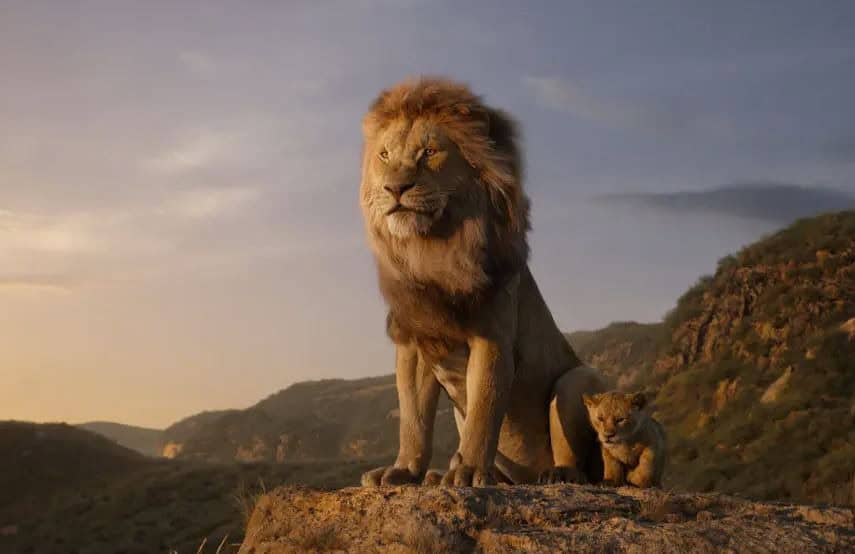
In reality, however, lion prides are not always harmonious. Male coalitions frequently compete for dominance, leading to territorial disputes and even infanticide.
The characters in “The Lion King” are endowed with human-like attributes and emotions, making them relatable to audiences. Simba’s exile and return to reclaim his throne evoke themes of redemption and destiny.
Yet, this anthropomorphism blurs the line between reality and fiction. Lions do not face existential dilemmas or go on heroic quests; survival instincts and biological needs drive their actions.
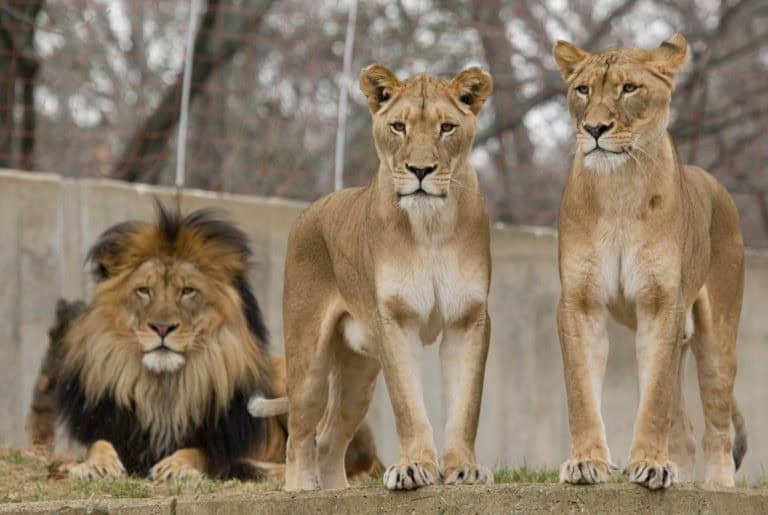
The film also portrays lionesses as fierce hunters and loyal guardians, echoing their roles in real-life prides.
However, it often relegates them to supporting roles in a male-dominated narrative. In reality, lionesses are crucial to the pride’s survival, playing significant roles in hunting and raising offspring.

Scar, the film’s villain, is depicted as a conniving and power-hungry character, mirroring human tales of ambition and betrayal.
While dominant males in lion society can be aggressive, Scar’s schemes are more reflective of human political intrigue than actual lion behavior.
Leadership transitions in lion prides are generally driven by physical prowess and coalition dynamics rather than deceit.
“The Lion King” presents a captivating view of lion society, blending truth with imaginative storytelling.
While it captures some aspects of lion behavior, it also takes creative liberties to enhance the narrative and engage the audience.
By exploring the intersection of fact and fiction in the film, we can better appreciate both the natural world and the power of storytelling.
Read more Wildlife News.