
Ohio has reached the deadline in a long-planned change to the way pregnant pigs may be housed. Under the state’s livestock-care rules, gestation stalls could continue in existing facilities through December 31, 2025. After that date, their routine long-term use is no longer permitted.
The change is significant for sow welfare, but it is not an absolute ban on every use of an individual stall. Ohio’s rule preserves limited uses after weaning while pregnancy is being established, as well as individual housing in special circumstances where a pig’s welfare may be at risk.
What Ohio’s rule now requires
Ohio Administrative Code Chapter 901:12-8 governs the care of swine. It defines a breeding or gestation stall as a configuration in which a mature animal is continuously housed without being able to turn around and freely enter or exit.
The housing rule allowed gestation stalls in existing facilities until December 31, 2025. Since the deadline passed, breeding or gestation stalls may be used after weaning only for a period intended to support embryonic welfare and allow pregnancy to be confirmed. New construction was already prohibited from relying on long-term gestation stalls, subject to the same limited post-weaning allowance.
Exceptions remain for animal welfare
The current rule allows individual stall housing after December 31, 2025, when special circumstances jeopardize a pig’s welfare. The code lists examples including animals that are injured, frail, thin or aggressive. These exceptions are meant to address individual needs rather than authorize routine confinement throughout pregnancy.
That distinction matters. Calling the change a complete ban would overstate the law, while describing it only as a voluntary industry shift would understate it. Ohio’s livestock-care standard now sharply limits when breeding and gestation stalls may be used.
Why group housing matters
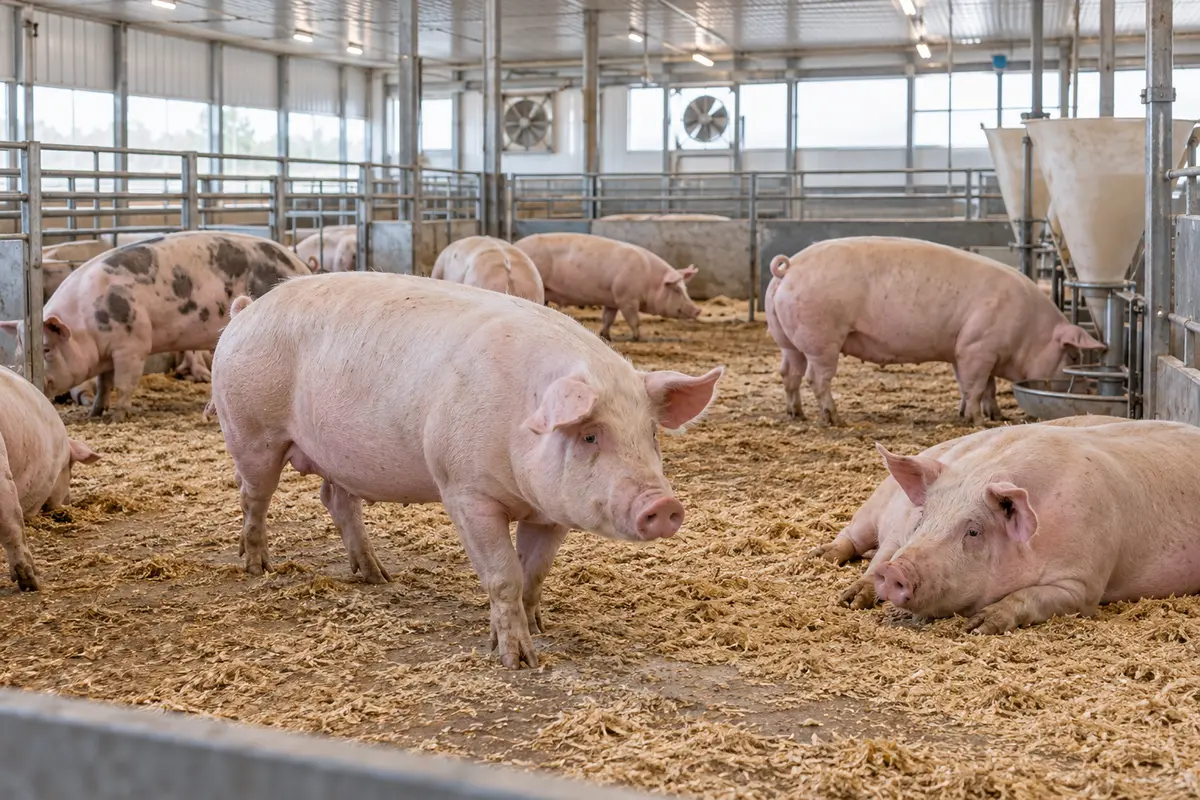
A conventional gestation stall restricts a sow’s ability to turn around or leave the enclosure. Group housing can give pigs more opportunity to walk, change position and interact with other animals. Ohio’s standards also require mixing to be managed in a way that minimizes aggression and injury.
Group systems still require careful management. Space, flooring, feeding access and compatibility among animals all affect welfare. The end of routine long-term stall use does not by itself guarantee ideal conditions, but it removes a form of continuous confinement that severely restricts movement.
A deadline set years in advance
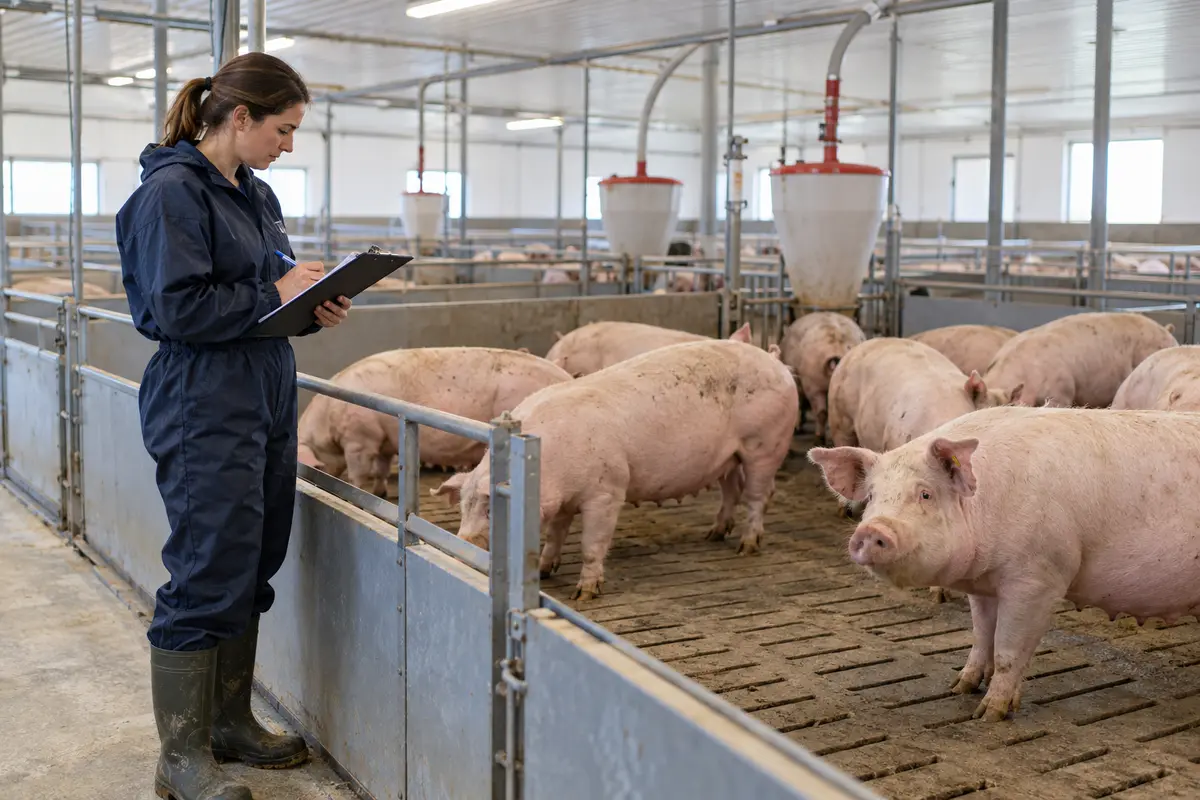
The phaseout did not arrive as a sudden 2026 announcement. Ohio’s swine-care rules date back to 2011 and gave existing facilities until the end of 2025 to transition. The Ohio Department of Agriculture explains that livestock-care standards are developed through the Ohio Livestock Care Standards Board and enforced separately from the state’s general animal-cruelty laws.
The accurate takeaway is that Ohio has now passed the final deadline for routine long-term gestation-stall use. The policy allows specific short-term and welfare-related exceptions, but continuous individual confinement throughout most of pregnancy is no longer the standard the state permits.
Official sources
- Ohio Administrative Code Chapter 901:12-8 — Swine Care Standards
- Ohio Administrative Code Rule 901:12-8-01 — Definitions
- Ohio Department of Agriculture — Livestock Care Standards
