
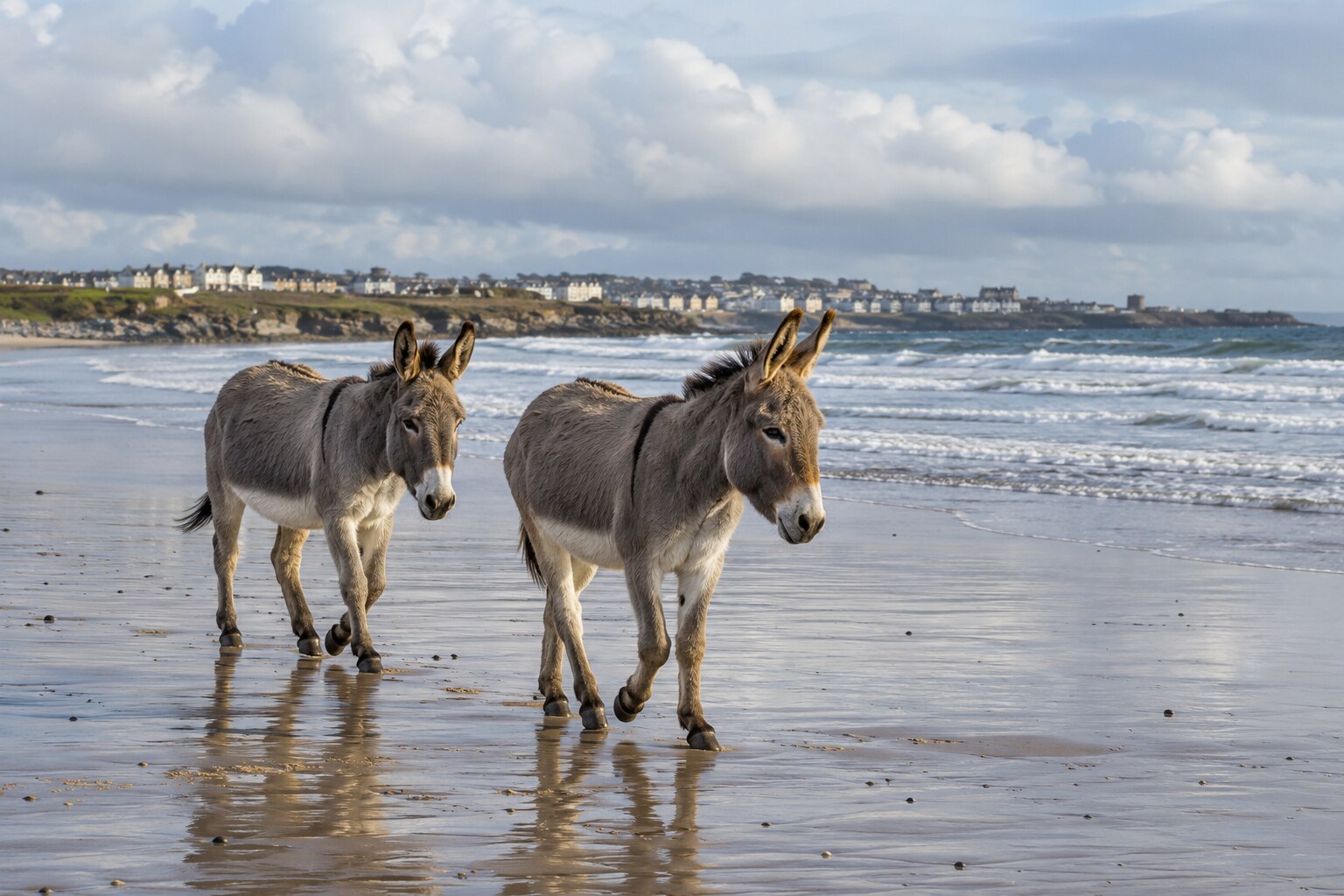
A seaside tradition that lasted for more than a century has come to an end at Coney Beach in Porthcawl, Wales. Bridgend County Borough Council confirmed in May 2026 that it could no longer grant a licence for seasonal donkey or pony rides on the beach after extending its summer animal restrictions.
The rules apply from May 1 through September 30, the busiest part of the beach season. Guide and assistance dogs are exempt. Because the restriction now covers animals generally rather than dogs alone, the long-running donkey rides cannot operate during the period when they traditionally served visitors.
Why the rides ended
The decision was not announced as a finding that the Coney Beach operator had mistreated animals. It followed a change in the council’s seasonal beach policy. The council said restrictions that had applied to dogs were extended to all animals, leaving it unable to issue a seasonal licence for donkey or pony riding at Coney Beach going forward.
That distinction matters. Supporters of the rides describe them as part of Porthcawl’s seaside identity and say generations of families have enjoyed them. Animal advocates, meanwhile, welcome an end to using donkeys to carry tourists for entertainment. The policy change closes the activity at this beach without resolving the wider national debate about working donkeys.
Contemporary reports date donkey rides at Coney Beach to at least 1918, making them a fixture for more than 100 years. Their disappearance comes amid broader redevelopment of Porthcawl’s waterfront and the closure of the adjacent amusement park.
A wider welfare question
The end of the rides also arrives as researchers are taking a closer look at the welfare of donkeys used by commercial operators across Great Britain. A 2026 peer-reviewed study published in Veterinary Record examined licensed commercial donkey operations and animals that had been relinquished, retired or removed to The Donkey Sanctuary.
The researchers concluded that licensing alone does not necessarily protect donkeys from poor welfare outcomes. Their work covered commercial activities beyond beach rides, so it should not be read as a specific judgment about the former Coney Beach operation. It does, however, reinforce the need for meaningful inspections, appropriate veterinary oversight and welfare standards that work in practice rather than only on paper.
What good donkey care requires
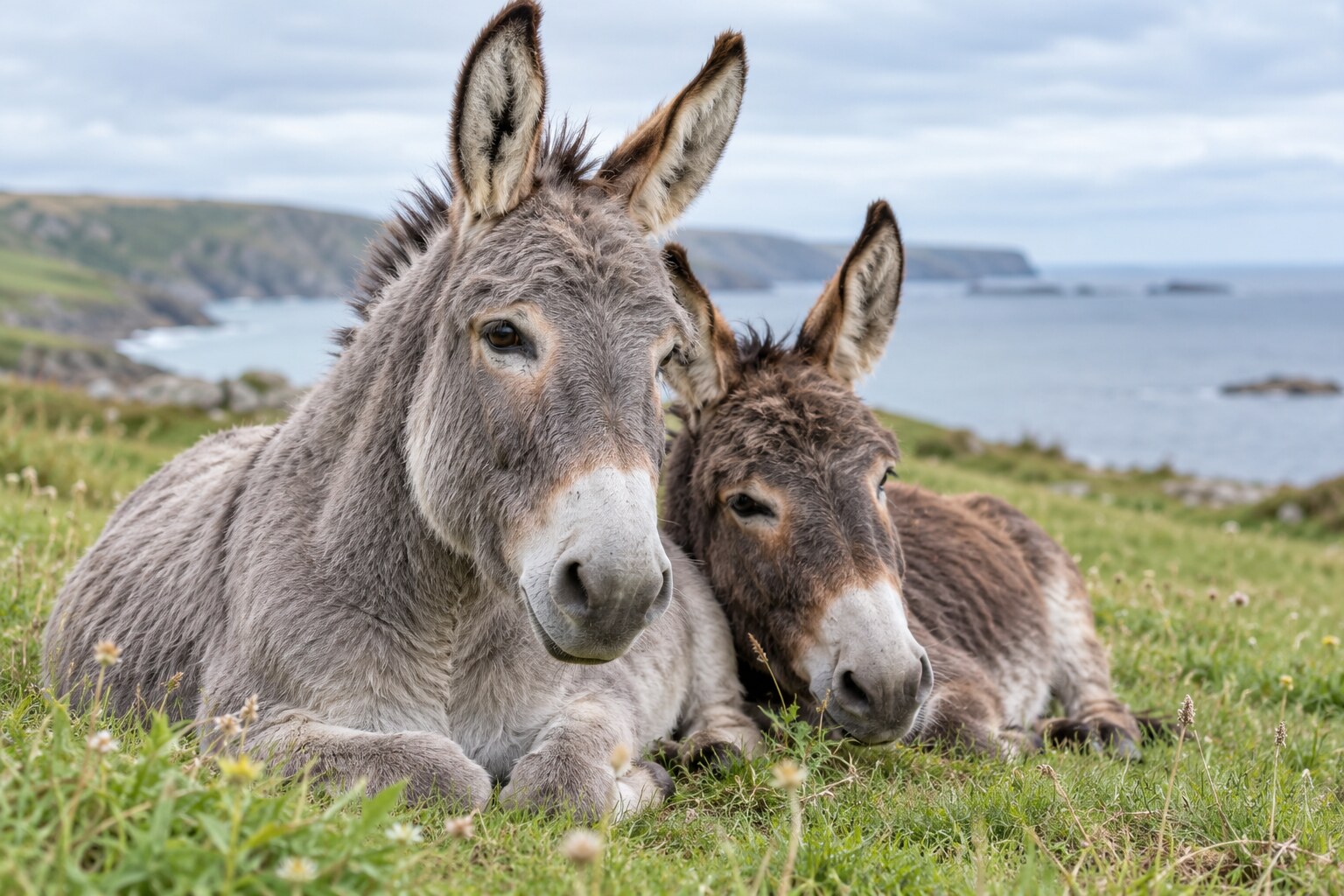
Donkeys are social animals with physical and behavioral needs that continue year-round, including when seasonal work stops. Responsible care includes access to suitable food and water, shelter, hoof and dental care, veterinary attention, companionship and protection from excessive workloads or unsuitable conditions.
The debate about seaside rides is often framed as tradition versus animal welfare, but the practical questions are more precise: Are the animals fit for the work? Are rider-weight limits enforced? Do they receive adequate rest, shade and water? What happens to them outside the tourist season? And can authorities reliably identify problems before animals suffer?
At Coney Beach, the council’s new rule has produced a clear result: donkey and pony rides will no longer be licensed for the summer season. For visitors, it marks the loss of a familiar seaside attraction. For the donkeys, it means they will no longer spend those busy months carrying riders along this stretch of sand.
Sources
- Nation.Cymru, May 12, 2026
- Swansea Bay News, May 2026
- Veterinary Record: Distribution, health and welfare of donkeys working in licensed commercial operations throughout Great Britain, 2026
