
France is approaching a major change in the way travelling circuses may use wild animals. A national law adopted on November 30, 2021, will prohibit travelling establishments from keeping, transporting or presenting non-domesticated animals in shows from December 1, 2028.
The deadline covers animals commonly associated with traditional circus acts, including elephants, lions, tigers and primates. It applies specifically to travelling establishments, not to every fixed zoo or wildlife facility in France.
A phase-out rather than an immediate ban
France did not order every circus animal removed overnight. Instead, the 2021 animal-welfare law created a staged transition. Travelling establishments were barred from acquiring, selling or breeding non-domesticated animals for public display after a two-year transition, beginning in December 2023. The broader prohibition on keeping and transporting those animals, and on including them in performances, follows seven years after the law was enacted.
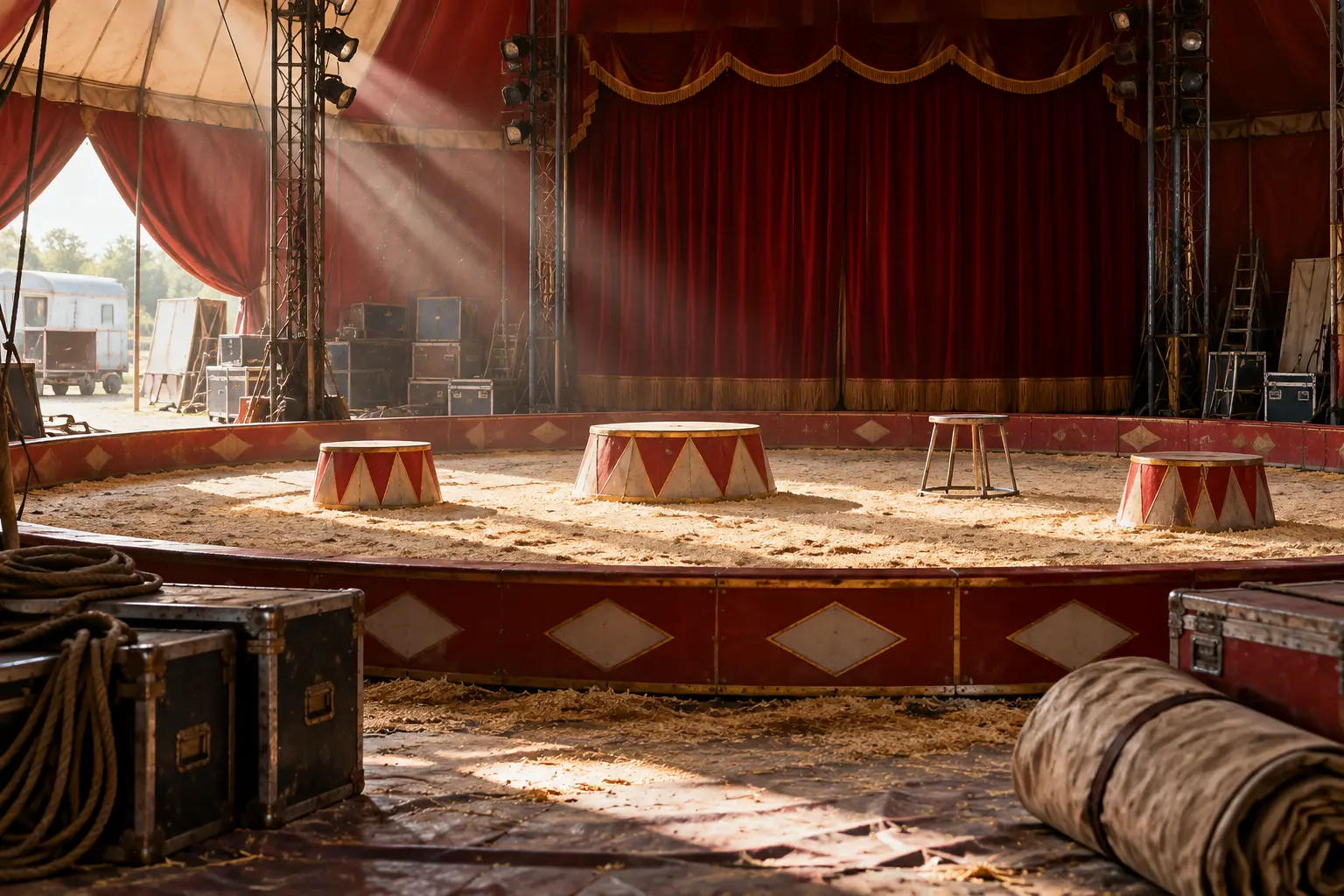
That distinction matters. Wild-animal acts may still be operating during the transition period, and the 2028 deadline has not yet arrived. France’s policy is therefore best described as a legally enacted phase-out, not as a ban that is already fully in force.
The timetable is set out in Article L. 413-10 of France’s Environmental Code. In July 2026, the Conseil d’État also described the two stages: the acquisition and breeding restrictions from December 2023, followed by the ban on possession, transport and performances in travelling establishments from December 2028.
Where will the animals go?
Passing a law is only one part of the transition. The animals already held by circuses need suitable long-term homes, and moving large carnivores, primates or elephants requires specialist facilities, veterinary planning and significant funding.
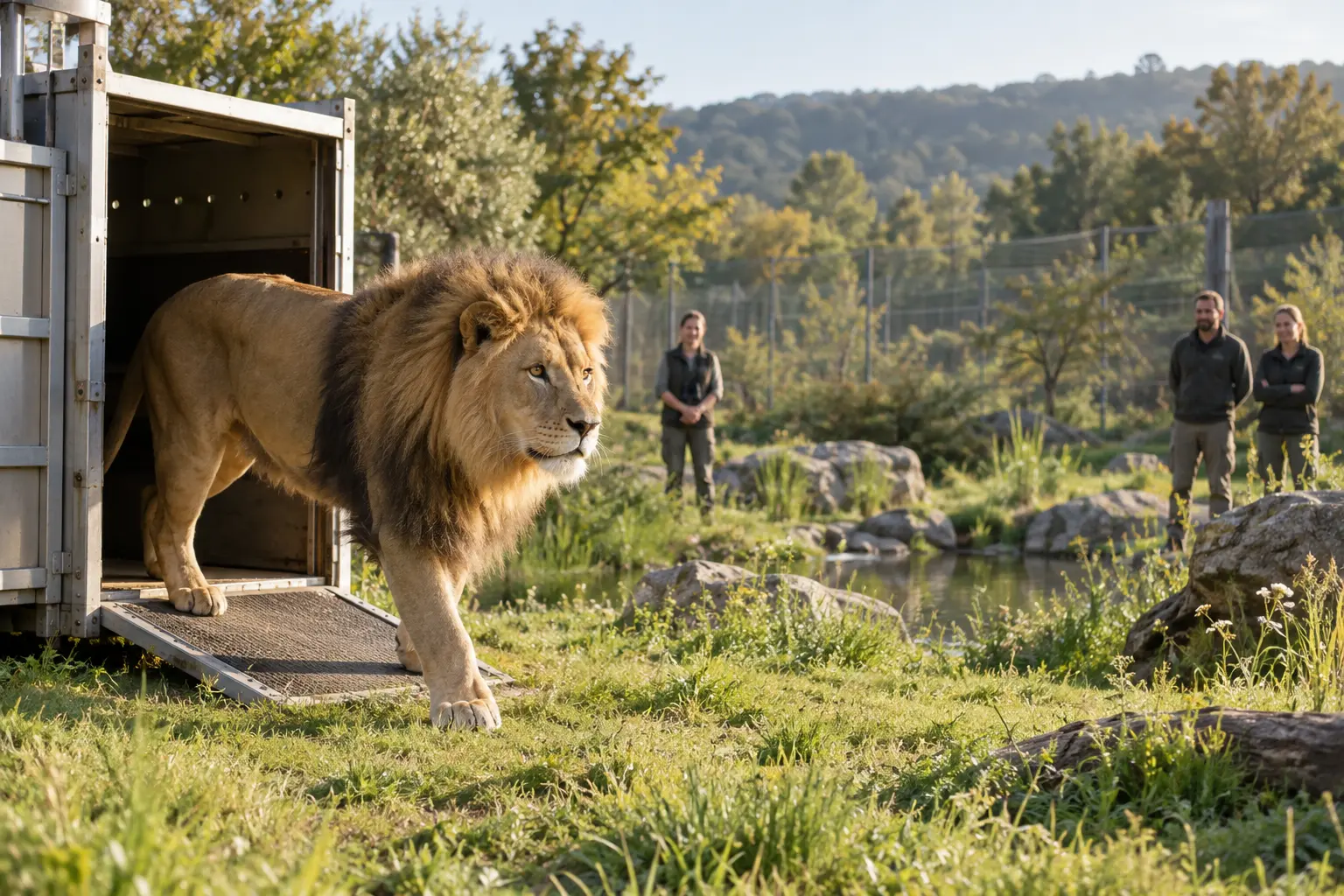
The French government says it has supported nine refuge projects through calls for proposals launched in 2022 and 2023. Together, those projects are expected to create 150 places for circus animals affected by the prohibition, including 60 places dedicated to big cats. France has also announced a €35 million assistance plan intended to help circus businesses and workers change their activities while supporting the future care of the animals.
A sanctuary does not return a captive-born or long-confined animal to the wild. Many such animals cannot safely be released. But an appropriate refuge can offer space, species-suitable care and a life no longer organized around transport and performance. Each placement still has to be assessed individually; an elephant’s needs are very different from those of a tiger, monkey or bird.
Why travelling shows are the focus
The law reflects longstanding concern about whether repeated transport, restricted environments and performance routines can meet the physical and behavioral needs of wild species. Even when handlers comply with existing rules, a travelling operation has structural limits: enclosures must be movable, journeys are frequent, and animals live around schedules designed for touring entertainment.
The transition also affects people. Trainers, handlers, drivers and other circus workers may need new roles or new business models. France’s approach recognizes that changing an industry requires support for workers as well as safeguards for animals. Human-only circuses, acrobatics, theatre and other forms of live entertainment can continue without wild-animal acts.
What happens next
Between now and December 1, 2028, the practical test will be whether France can match every affected animal with appropriate care while helping circus professionals complete the transition. Official figures cited in parliamentary questions have placed hundreds of wild animals in dozens of circus businesses, showing why placement capacity remains a central concern.
The direction of the law, however, is clear: travelling entertainment in France is expected to continue without keeping wild animals on the road. After the deadline, the sight of elephants, big cats and primates performing under a travelling big top should become part of the past rather than a feature of the next tour.
Sources
- Légifrance — Environmental Code provisions on captive wild animals
- French Ministry for Ecological Transition — circus-sector transition and refuge capacity
- Conseil d’État — Decision No. 505772, July 30, 2026
