
Leaving a companion animal beside a road is more than an act of neglect. A dog or cat suddenly abandoned in an unfamiliar place may face moving traffic, hunger, severe weather, injury and abuse. The moral case against dumping animals is straightforward. The harder question is whether every conviction should automatically bring jail time.
In the United States, there is no single nationwide mandatory-jail rule for animal abandonment. State laws differ, and some already give judges the power to impose imprisonment. That distinction matters: allowing jail for serious cases is not the same as requiring a fixed jail sentence in every case.
What existing laws already allow
Florida law defines abandonment to include forsaking an animal entirely or failing to provide—or arrange for—its legal obligations of care. Massachusetts law is especially explicit: willfully abandoning an animal is prohibited, and a first conviction can carry up to seven years in state prison, up to two and a half years in a house of correction, a fine of up to $5,000, or a combination of those penalties. Repeat offenses can carry still higher maximums.
Those are maximum penalties, not automatic minimum sentences. A court can weigh the facts of a case, including the animal’s condition, the danger created, whether the conduct was deliberate, whether the offender tried to obtain help, and whether there is a history of cruelty.

The case for—and against—a mandatory sentence
Supporters of mandatory jail time argue that intentional roadside dumping creates an obvious and potentially deadly risk. A strong penalty can communicate that animals are not disposable, deter deliberate abandonment and hold repeat offenders accountable. Cases in which an animal is injured, killed or left in extreme conditions may justify severe punishment.
But a mandatory sentence removes a judge’s ability to distinguish among very different circumstances. Deliberately driving a healthy pet to an isolated highway is not the same as a confused owner facing eviction, domestic violence, hospitalization or a sudden financial crisis who makes a desperate and unlawful decision. Both situations require intervention, but proportional punishment may produce fairer outcomes.
Enforcement also depends on evidence. Investigators may need video, witness testimony, veterinary findings, microchip records or an admission to identify who abandoned the animal and prove intent. A harsh mandatory penalty does little if cases cannot be traced to an offender.
A more targeted approach could reserve incarceration for aggravated cases—such as planned dumping in dangerous conditions, serious injury, death or repeat offending—while also allowing fines, restitution for rescue and veterinary costs, animal-ownership bans, probation and community service in less severe cases.
Prevention still matters
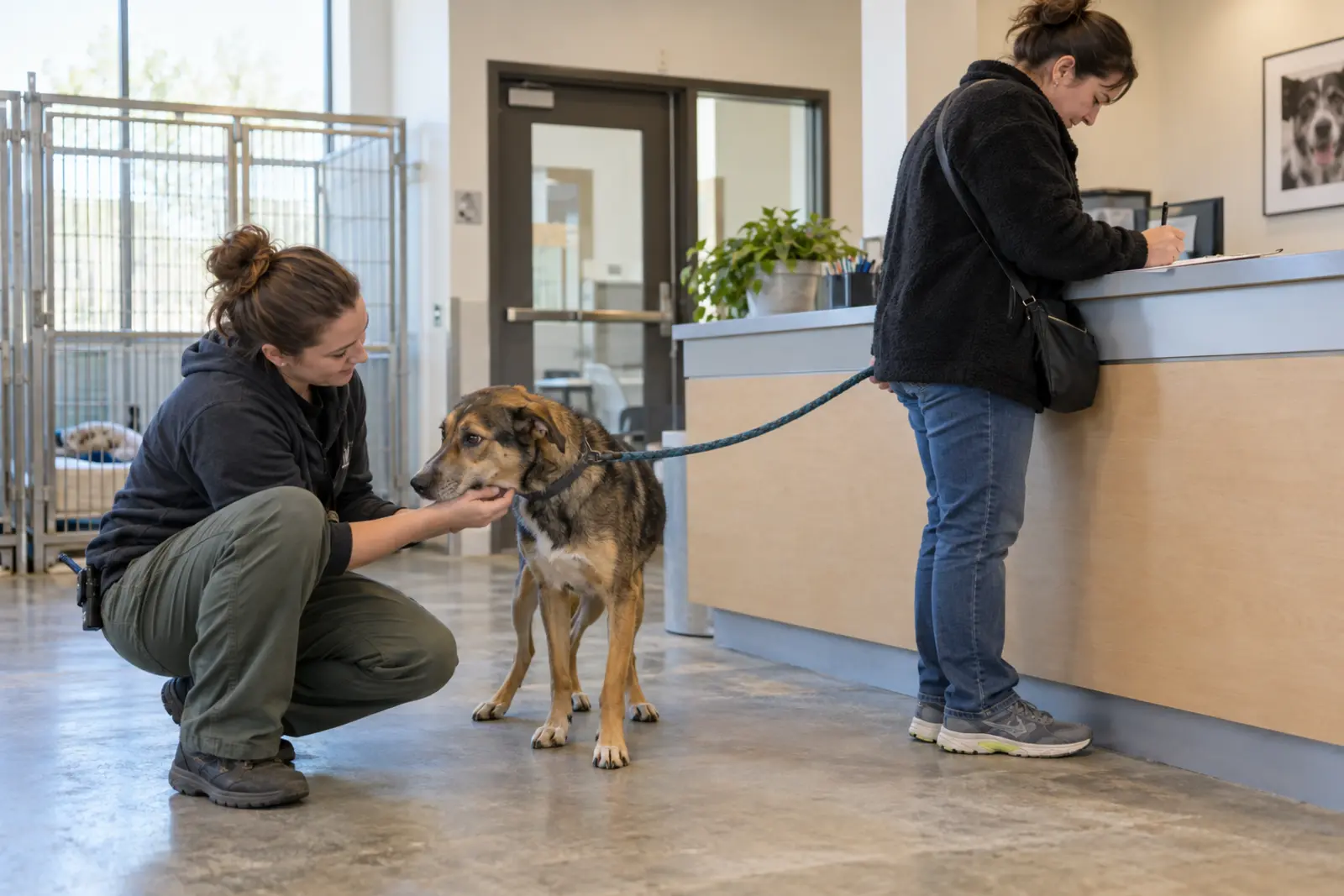
Criminal penalties address harm after it happens. Prevention requires realistic alternatives before a person reaches a crisis. New York City, for example, directs people who can no longer keep a pet to Animal Care Centers of NYC and points owners toward rehoming, temporary caregiving, reduced-cost veterinary care, behavioral help, boarding assistance and housing-related support.
Communities can reduce abandonment by making surrender appointments accessible, supporting foster networks, offering pet food and veterinary assistance, and helping tenants keep animals during housing emergencies. Clear public information is essential: asking a shelter, rescue group, veterinarian, friend or family member for help is always safer than leaving an animal alone.
The most effective policy may therefore combine meaningful criminal consequences with judicial discretion and practical surrender options. Deliberate abandonment should be treated seriously, especially when it places an animal in immediate danger. But the goal should be broader than punishment alone: prevent the abandonment, rescue the animal quickly and make sure safe alternatives are available before a crisis becomes cruelty.
Sources
- Florida Statutes, Section 828.13
- Massachusetts General Laws, Chapter 272, Section 77
- NYC311: Surrender a Pet
- NYC surrender-prevention options
