
Switzerland still prohibits putting a conscious lobster directly into boiling water—but the rule is not new. The Federal Council approved the animal-welfare changes on January 10, 2018, and they took effect on March 1 of that year.
The current guidance from Switzerland’s Federal Food Safety and Veterinary Office says walking decapod crustaceans, a group that includes lobsters, crabs and crayfish, must be stunned before they are killed. Immersing one in boiling water without prior stunning is specifically listed as a prohibited method.
What the Swiss rule actually requires
The policy is about treatment before death, not a ban on eating lobster. Restaurants and seafood businesses may still sell and serve the animals, but they must follow welfare requirements for holding, transport and killing.
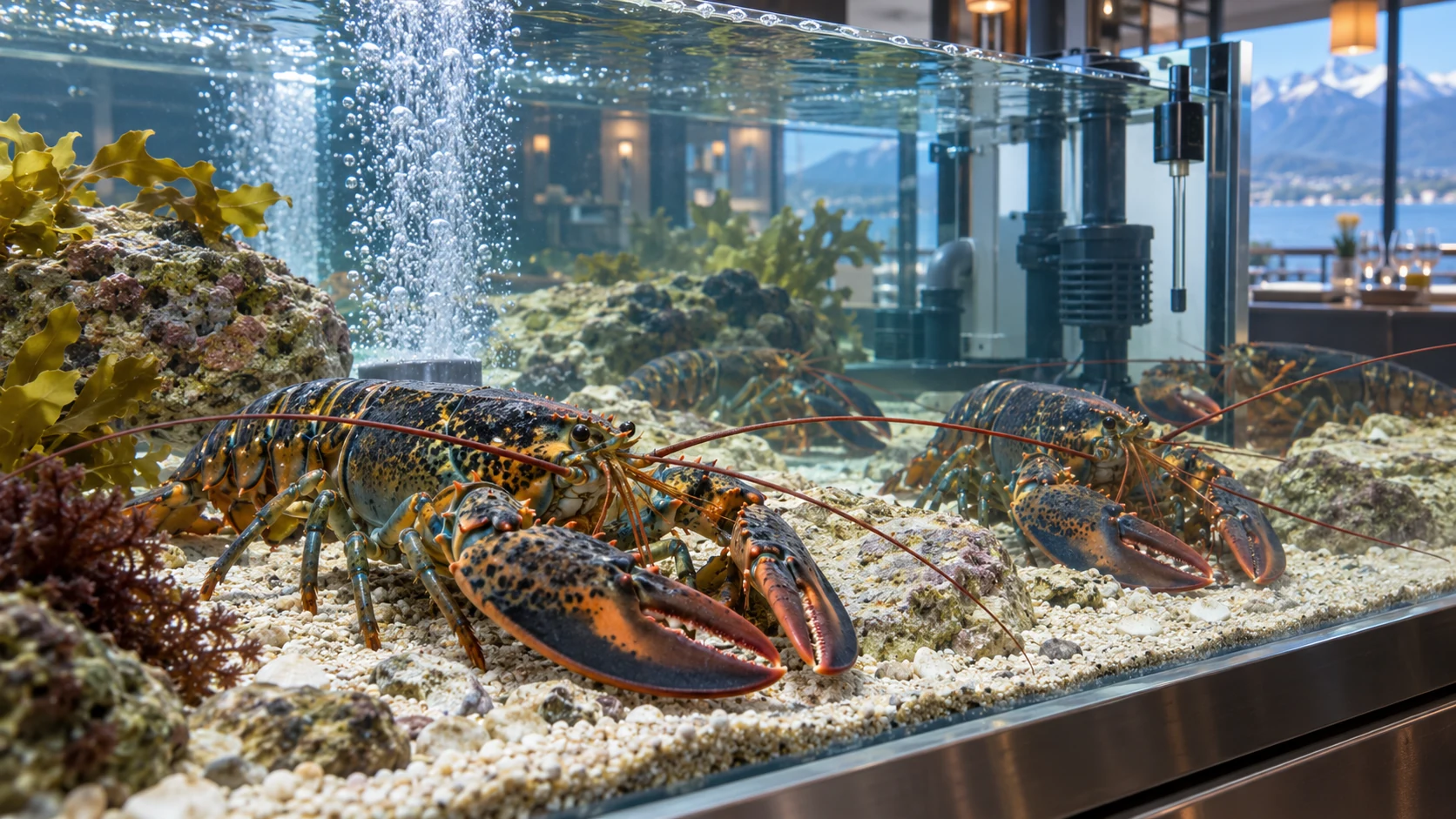
According to the federal veterinary office’s current guidance, these crustaceans should be killed professionally as soon as possible after transport or moved to a suitable aquarium within 12 hours. Keeping them outside water beyond transport is not permitted. The office recommends electrical stunning before killing and advises avoiding mechanical stunning where possible.
The official guidance also makes the legal stakes clear: intentionally killing an animal in an agonizing way can qualify as cruelty and may be punished with imprisonment of up to three years or a financial penalty. The exact outcome in any case would depend on the facts and enforcement by the relevant authorities.
The rule dates to March 2018
Social posts sometimes present the lobster protection as a recent development. In fact, the Swiss government announced the ordinance changes on January 10, 2018, and stated that they would enter into force on March 1, 2018. The reform covered several areas of animal welfare, not only crustaceans.

An English translation of Switzerland’s Animal Protection Ordinance records the relevant amendments as being in force since that date. Switzerland therefore did not recently outlaw lobster as food; it established conditions intended to prevent the animal from entering boiling water while conscious.
Why crustacean welfare is receiving more attention
The broader scientific debate has also developed since Switzerland adopted its rule. A 2021 review commissioned by the British government and led by researchers at the London School of Economics evaluated more than 300 studies concerning cephalopod molluscs and decapod crustaceans.
The LSE review recommended treating decapods—including lobsters, crabs and crayfish—as sentient for animal-welfare purposes. Sentience means the capacity to have feelings, including pain, distress and other positive or negative experiences. The report did not claim that every scientific question was settled; it argued that the accumulated evidence was strong enough to justify precautionary protection.
That precaution is the heart of the Swiss approach. A lobster can still be used as food, but convenience is not accepted as a reason to expose it to a killing method that may cause avoidable suffering. Requiring immediate stunning recognizes that the final moments of an animal’s life matter—even when the animal is very different from us.
Sources
- Swiss Federal Council: veterinary ordinance changes, January 10, 2018
- Federal Food Safety and Veterinary Office: current decapod guidance
- London School of Economics: review of decapod sentience evidence
