
A horse-slaughter operation in Fort Macleod, Alberta, once described by advocates as Canada’s largest, has permanently closed, according to several animal-welfare organizations that confirmed the development in May 2026.
Bouvry Exports is no longer accepting horses for slaughter at the Alberta facility, the Canadian Horse Defence Coalition and Animal Justice reported. For campaigners who documented the plant for years, the closure removes a major destination from the North American horse-slaughter trade.
It does not, however, end horse slaughter in Canada. A federally licensed operation remains in Quebec, and Canada continues to export live horses—primarily to Japan—for slaughter.
A facility with a long record of scrutiny
The Fort Macleod plant had faced sustained attention from animal-welfare groups and federal regulators. In February 2022, the Canadian Food Inspection Agency suspended Bouvry Exports Calgary Ltd.’s Safe Food for Canadians licence, saying the company had failed to comply with parts of federal food-safety law.
In July 2023, the CFIA announced 11 charges against the company following an investigation. The alleged violations included requirements involving animal handling, transport and records for horses presented for slaughter. Those enforcement actions predated the permanent closure reported in 2026.

The closure is significant because Bouvry had been a major processor of horses sourced from both Canada and the United States. Yet some current export-establishment lists still contain the Bouvry name for other species or activities. The verified development is therefore specific: the Fort Macleod operation is no longer slaughtering horses.
The wider trade has not ended
The Canadian Horse Defence Coalition says Viande Richelieu in Quebec is now the country’s sole federally licensed establishment permitted to slaughter horses and export horse meat. That means horses can still enter the domestic slaughter system even after the Alberta closure.
Canada also continues to export live horses for slaughter abroad. The CFIA says Japan’s market demand for fresh horse meat is partly supplied by horses flown from Canada. Federal records and 2026 government briefing material show that the trade remains active and subject to animal-transport oversight.
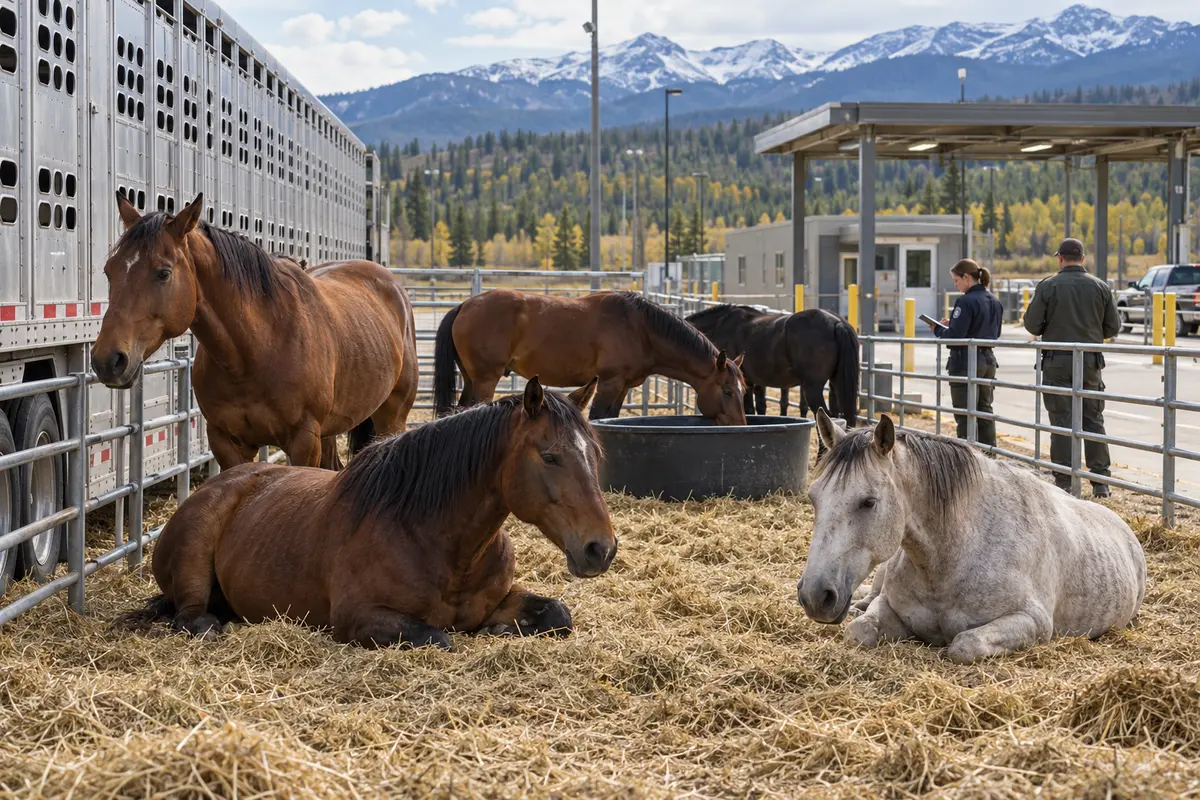
Animal-welfare organizations argue that long-distance transport exposes horses to avoidable risks. In March 2026, Animal Justice published a report based on Canadian and Japanese government records alleging injuries and deaths connected with shipments to Japan. The CFIA has said it strengthened oversight measures and continues to publish available data on horses that die or are seriously injured during air transport.
The Bouvry closure is therefore both substantial and incomplete. One major slaughter route has disappeared, but horses may still be sent to the remaining Quebec plant or exported alive. Advocates are using the moment to renew calls for stronger transport protections, alternatives such as rescue and retirement, and an end to slaughter-bound exports.
Sources
- Animal Justice: Bouvry Exports horse-slaughter operation closes
- Canadian Food Inspection Agency: 2022 licence suspension
- Canadian Food Inspection Agency: charges laid in 2023
- Canadian Food Inspection Agency: oversight of live horse exports to Japan
- Canadian Horse Defence Coalition: remaining federally licensed horse-slaughter plant
