
Bob Barker was famous for inviting contestants to “come on down,” but he also used the closing seconds of The Price Is Right to deliver a message that outlived his 35-year run as host: help control the pet population by having pets spayed or neutered.
That appeal was not just a television catchphrase. Barker backed it with decades of advocacy and millions of dollars. In 1995, he established the DJ&T Foundation, named for his late wife, Dorothy Jo Gideon, and his mother, Matilda “Tilly” Valandra. The foundation supported free or low-cost sterilization for dogs and cats through clinics and assistance programs across the United States.

A $25 million commitment to prevention
Contemporary accounts of Barker’s philanthropy report that he put about $25 million into the DJ&T Foundation. The organization’s grant program focused on low-cost clinics, mobile services and voucher programs designed to make sterilization more accessible. Barker also gave millions to other animal causes, including wildlife protection, rescue work and animal-law education, placing his total animal-welfare giving above the foundation’s $25 million alone.
The distinction matters because viral posts sometimes compress a long record into a single number. The best-supported version is that Barker committed $25 million to his spay-and-neuter foundation, while his broader animal advocacy included additional major gifts. His public message and his private giving pointed in the same direction: preventing unwanted litters was a practical way to reduce pressure on shelters.
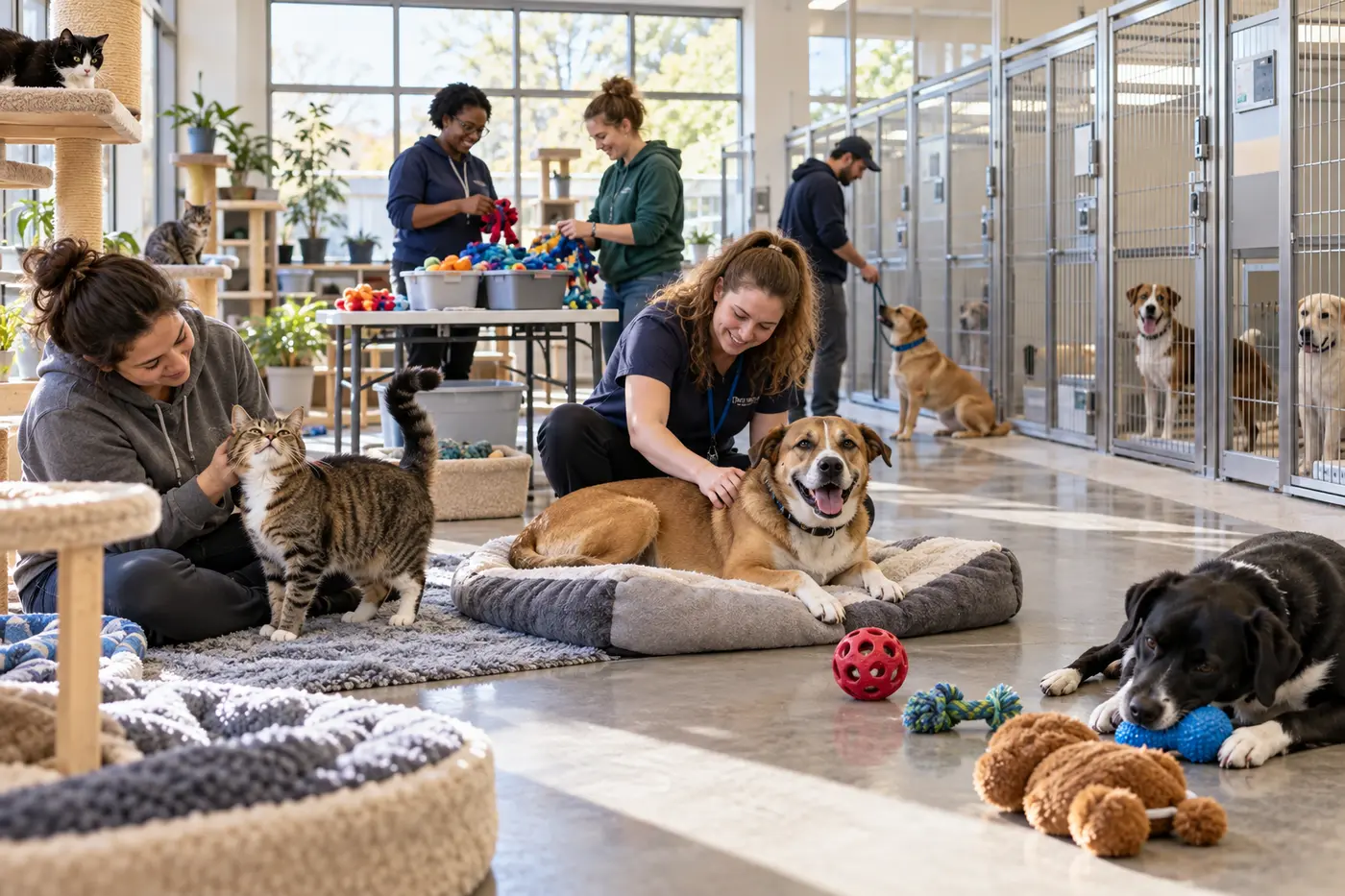
Spaying and neutering are not a complete answer to shelter overcrowding. Housing insecurity, veterinary costs, breed restrictions, lost pets and limited access to pet-friendly rentals also push animals into shelters. But preventing unplanned litters remains an important part of community-based population management, especially when services are affordable and paired with vaccination, identification and owner support.
A television signoff heard for decades
Barker hosted The Price Is Right from 1972 until 2007. By the 1980s, he was ending episodes with his familiar reminder about spaying and neutering pets. His successor, Drew Carey, continued the tradition, allowing the message to reach another generation of viewers.
After Barker died on August 26, 2023, at age 99, tributes from colleagues and animal organizations emphasized that advocacy as a central part of his legacy. The Associated Press remembered both his long television career and his signature animal-welfare signoff. A CBS tribute likewise highlighted his work for animals ranging from companion pets to elephants and whales.
A broader animal-protection legacy
Barker’s activism extended well beyond dogs and cats. He opposed fur prizes in beauty pageants, supported efforts to protect marine mammals and captive wildlife, and funded animal-law programs at universities. His willingness to challenge entertainment traditions sometimes put him at odds with the industries in which he worked, but it also made animal protection part of mainstream conversation.
The DJ&T Foundation’s mission was especially concrete. Rather than relying only on awareness, it helped organizations offer services people could use. A low-cost appointment may look modest compared with a national television campaign, yet repeated across communities it can prevent thousands of animals from being born without secure homes.
Barker’s legacy is therefore larger than a memorable closing line. He paired a vast public platform with sustained financial support for prevention. For shelters, clinics and families that benefited from those programs, the result was not abstract: it meant more accessible care and fewer animals facing an uncertain future.
