
Scotbeef’s abattoir in Inverurie, Aberdeenshire, closed permanently on June 11, 2025, ending slaughter and processing operations at the site and eliminating roughly 90 jobs.
The closure has since been recirculated online as an animal-welfare victory. For animals, a slaughter line at that location did stop. But the reason for the shutdown was commercial, not an animal-protection order or a decision by Scotbeef to leave the meat industry.
The company said an operational review concluded that closing Inverurie was necessary to protect the long-term future of the wider business after 18 months of sustained challenges in the UK meat and beef sector.
Why the Inverurie site closed
Scotbeef described the decision as difficult and acknowledged its effect on employees, many of whom had worked at the facility for years. All staff at the site were made redundant, although the company said it would look for alternative employment opportunities within the meat industry and offer positions at other Scotbeef locations to people willing to relocate.
This matters because the closure was not the end of Scotbeef. At the time, the company continued operating other Scottish facilities in East Kilbride and Annan, as well as sites elsewhere in Britain.
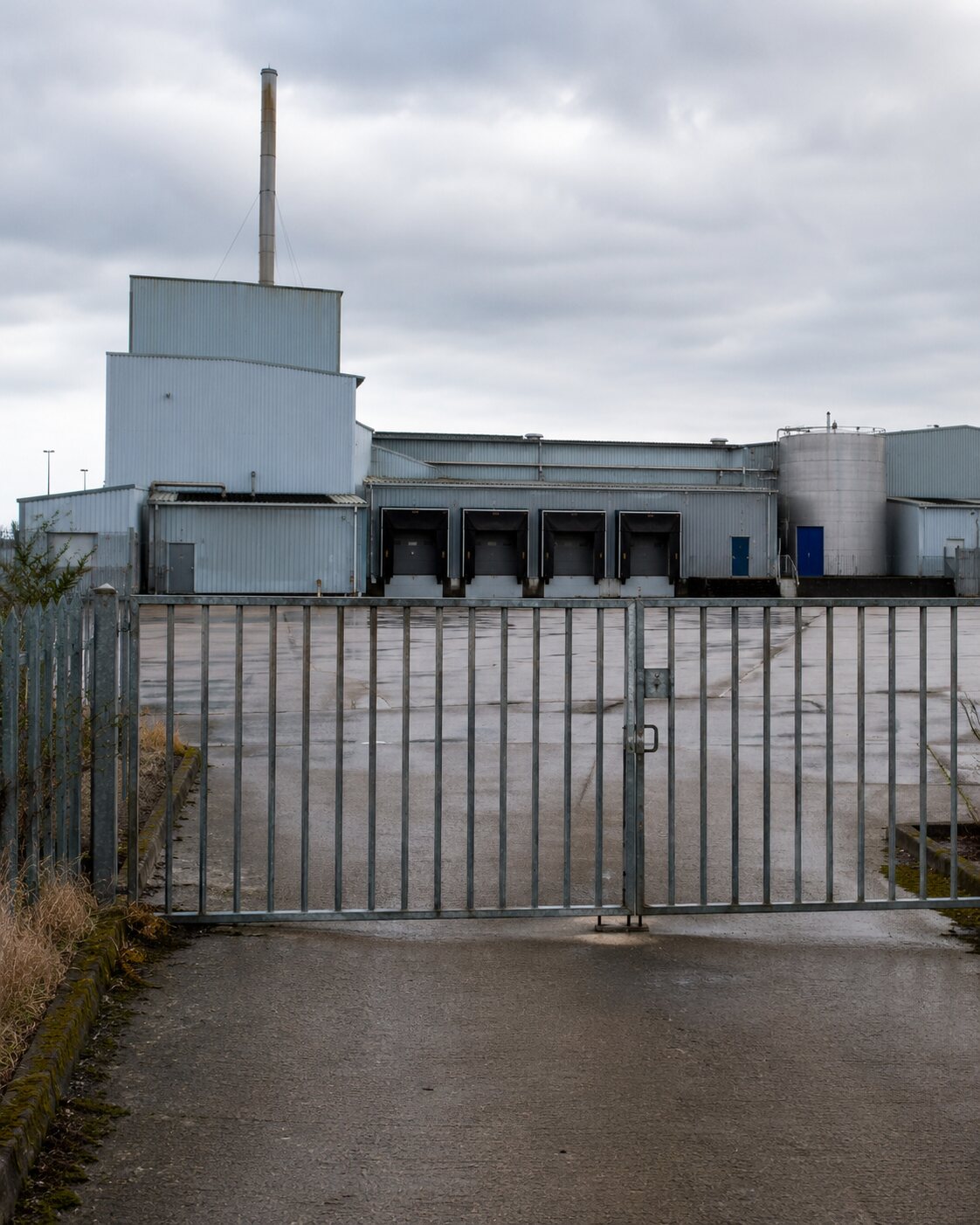
Industry coverage placed the decision within a wider decline in UK abattoir capacity. Rising costs, labour difficulties, regulation and changing livestock numbers have been cited as pressures on processing businesses, particularly smaller and regional facilities.
That wider trend creates complicated consequences. Fewer slaughterhouses do not necessarily mean fewer animals are killed. Production may shift to another facility, and farmers can face longer transport distances. Longer journeys can themselves raise animal-welfare concerns while also increasing costs for rural businesses.
What the closure means for animals
At the most direct level, cattle and other animals are no longer being taken through the Inverurie facility. That is a real change at one physical location. It should not, however, be confused with a ban on slaughter, a reduction in national meat production or evidence that the animals formerly processed there will now be spared.
For animal advocates, the closure is better understood as a moment for reflection than as proof of an industry-wide victory. It brings public attention to a part of food production that is usually kept away from view: the transport, handling and killing of sentient animals.
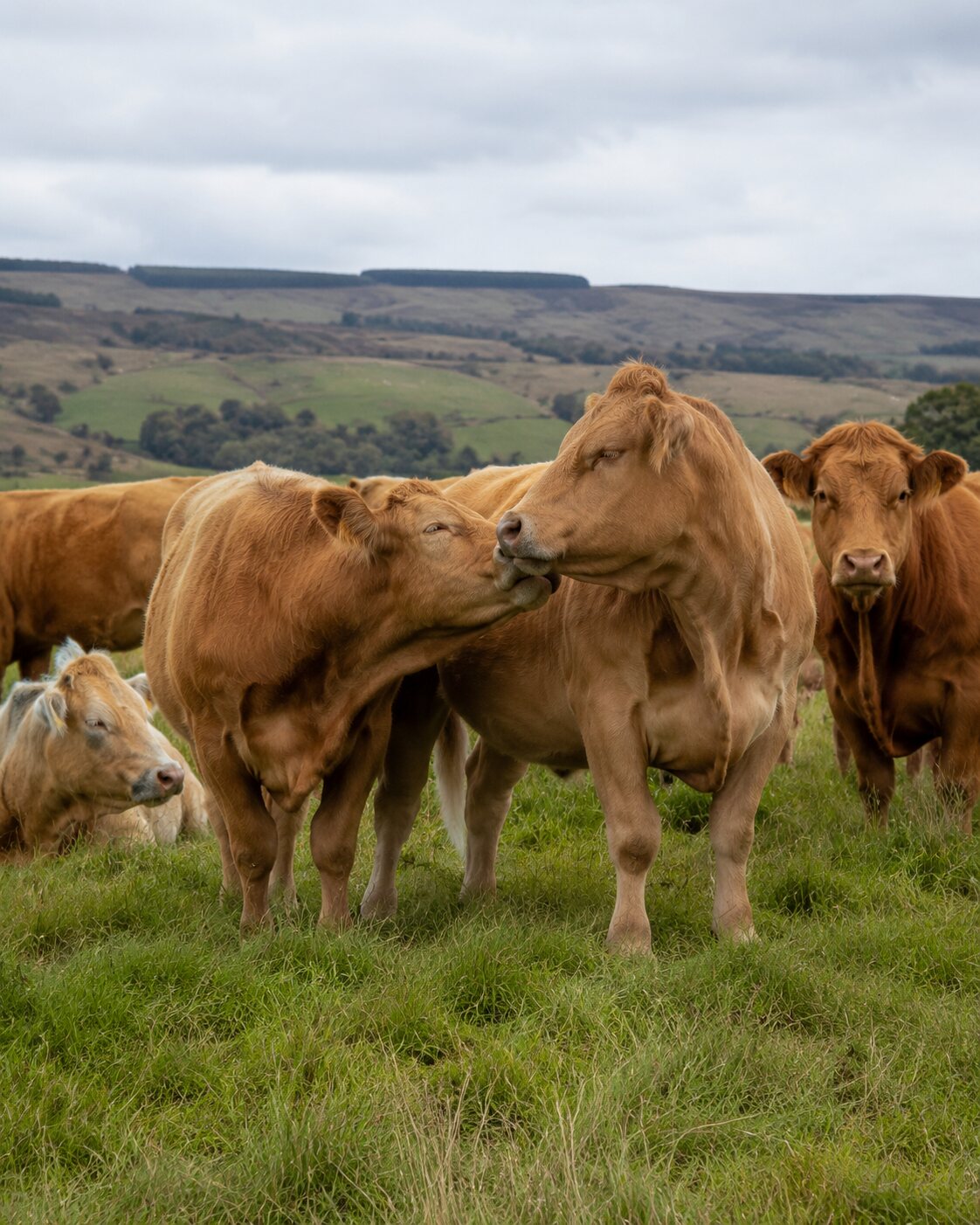
The Scottish Animal Welfare Commission defines sentience as the ability to have physical and emotional experiences that matter to the animal and can be positive or negative. Research reviews on farm-animal cognition also describe sophisticated abilities among livestock, including recognizing other animals and human handlers and responding to subtle social cues.
Those findings do not by themselves determine what people should eat. They do make one fact harder to ignore: cattle are not simply units moving through a supply chain. Their fear, comfort, relationships and handling conditions have welfare significance.
A closure with more than one consequence
It is possible to acknowledge the end of slaughter at Inverurie without erasing the workers who lost their livelihoods. The shutdown affected families, farmers, suppliers and the regional economy. Honest animal-welfare reporting should not treat those people as invisible.
It is also reasonable to ask whether future rural employment and investment can increasingly support forms of food production that do not depend on killing animals. Plant-based agriculture, habitat restoration, conservation grazing under non-slaughter models and other forms of rural enterprise may be part of that discussion, although no single alternative will replace every job or supply chain overnight.
The Inverurie facility is closed, but industrial animal agriculture continues. Calling the shutdown a complete victory would overstate what happened. Calling it meaningless would overlook the animals who will never enter that particular building again.
The more accurate lesson is that food systems can change under economic pressure—and society still has choices about what kind of system receives support next.
Sources
- STV News: Inverurie closure and Scotbeef statement
- FarmingUK: redundancies and industry context
- Scottish Animal Welfare Commission: animal sentience
- Frontiers in Veterinary Science: farm-animal cognition, welfare and ethics
